Gamstop Support and Active Betting Blocks in the UK (2026)
 Available in GB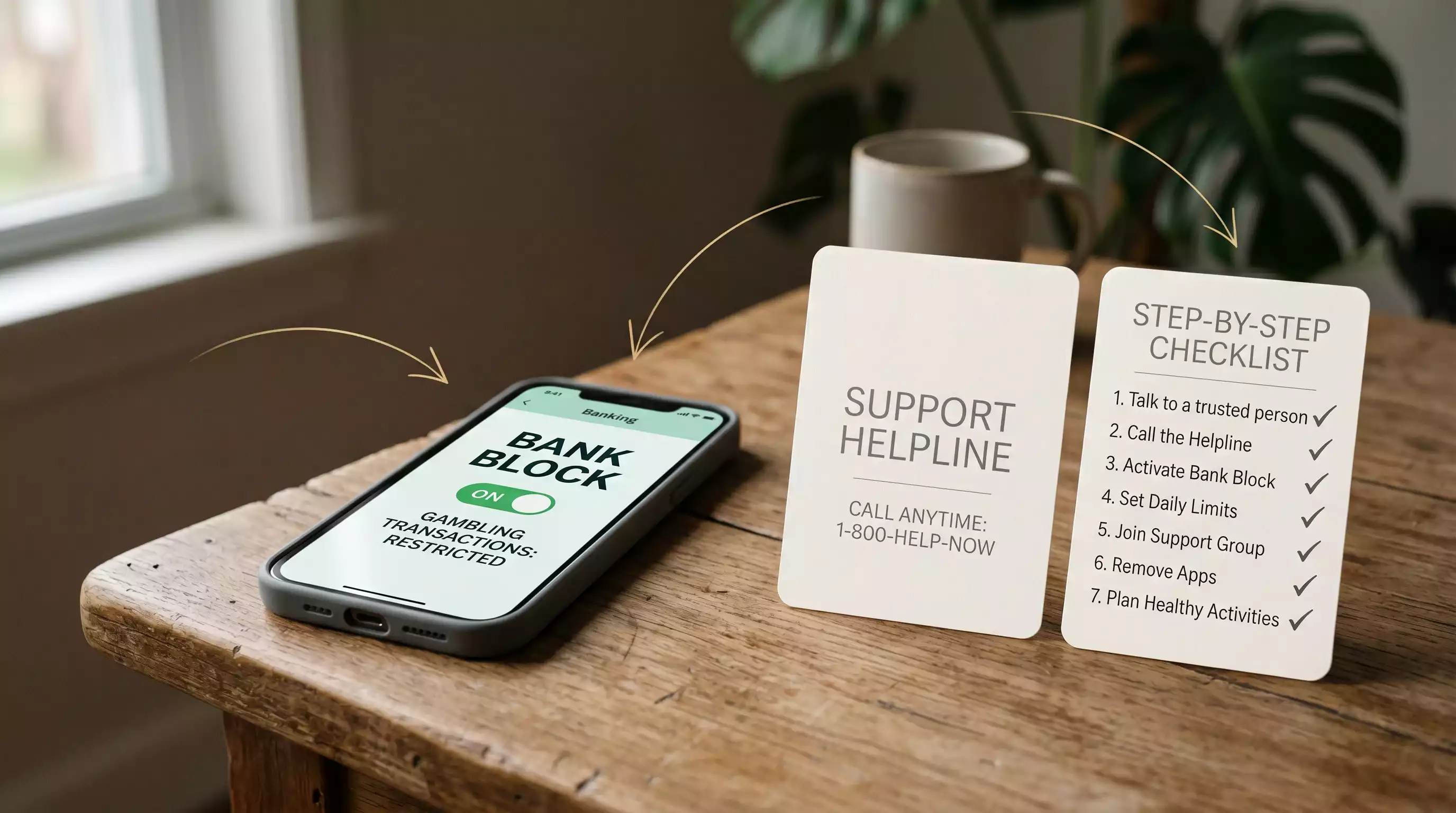
Reviewing Self-Exclusion Tools and UK Gambling Control Services
Self-exclusion and blocking tools are usually chosen for a reason. They may have been set up after losses, arguments, stress, debt, repeated deposits or a sense that stopping is harder than expected. When a block works, it can feel inconvenient in the moment, especially if an urge to gamble is strong. That does not mean the block has failed. It may mean it is doing exactly the job it was meant to do.
A safer response is to change the question. Instead of asking where else you can gamble, ask what would make the next ten minutes easier to manage. That might mean leaving the device, calling or messaging someone, asking a bank about gambling blocks, using blocking software, contacting a helpline, or writing down the feeling without acting on it. These are not dramatic steps. They are practical ways to create distance between an urge and a deposit.
This page does not judge the reason you are here. Curiosity, frustration, embarrassment and panic are all common human reactions. The important point is that gambling during a period of self-exclusion or loss of control can make the underlying problem worse. The safer path is support, blocking and a clear plan for the next few hours.
If your frustration stems from delayed payouts, read our guide on handling unpaid withdrawals and complaints before taking further action.
Verified support starting points
For Great Britain-wide gambling support, GamCare runs the National Gambling Helpline on 0808 8020 133 and offers online support routes. NHS information on gambling addiction is also available for health-related guidance and treatment signposting. These resources are not the same as this website giving medical advice; they are recognised places to start when gambling is affecting money, mood, relationships or daily life.
Support also has regional differences. In Scotland, NHS inform provides information about problem gambling and support routes. In Wales, a gambling treatment service helpline has been listed as 0808 281 9265. In Northern Ireland, NI Direct publishes gambling guidance and Dunlewey has been listed with the number 08000 886 725. Use the official pages for current details before relying on any service information, especially if you are reading from outside the area or at a time when services may have changed.
If you feel ashamed about contacting support, keep the first message simple. You do not have to explain everything perfectly. You can say that you are tempted to gamble despite having limits or self-exclusion in place, that you are worried about money, or that you need help putting more blocks between you and gambling. Support services are used to hearing incomplete stories. The first step is not to produce a polished account; it is to stop handling the urge alone.
Scenario guide: choose one next step
| What is happening now | What not to do | One safer next step | Useful support type |
|---|---|---|---|
| You want to deposit immediately | Do not keep refreshing gambling pages or comparing offers | Leave the device, set a short timer and contact GamCare or someone you trust | Helpline or live support |
| You are searching because self-exclusion is active | Do not treat the block as a problem to solve | Use the time created by the block to add bank, device or software barriers | GAMSTOP, blocking tools and bank gambling blocks |
| You are worried about losses or debt | Do not chase money through another deposit | Write down the immediate money issue and speak to a support service before acting | Gambling support and money/debt guidance routes |
| A promotion feels hard to resist | Do not open a new account to claim an offer | Delete the message, turn off marketing where you can and step away from the account | Marketing opt-outs, blocking and helpline support |
| You keep finding new sites | Do not rely on willpower alone | Layer barriers: self-exclusion, blocking software, bank blocks and trusted-person support | TalkBanStop-style combined tools |
| You need country-specific help | Do not use unverified numbers from adverts or forums | Use official NHS, GamCare, NHS inform, Wales or NI Direct information | Official health and gambling-support pages |
Blocking tools work best in layers
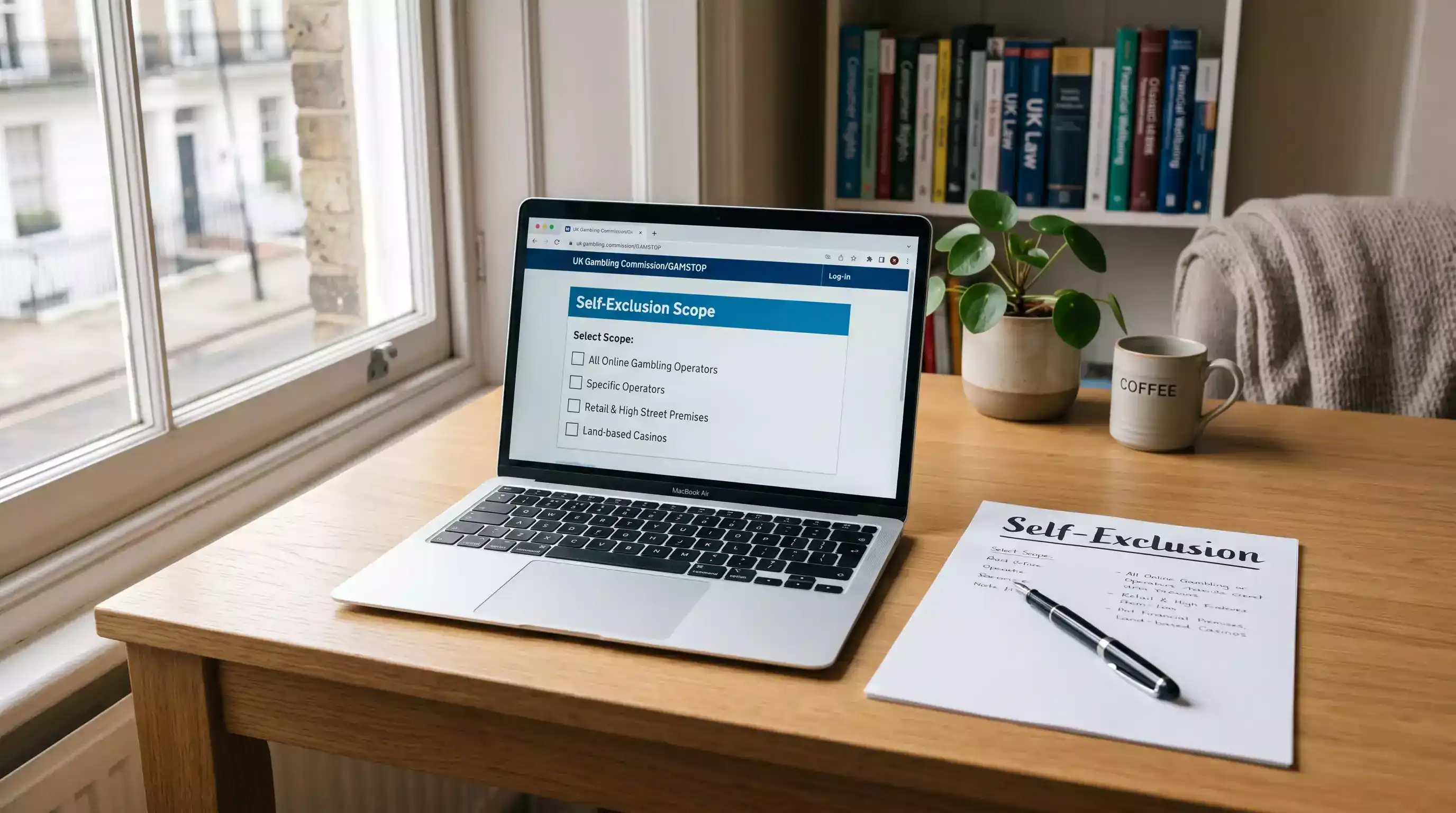
No single block should be described as perfect. The practical aim is to build friction from several directions. GAMSTOP can cover online gambling companies licensed in Great Britain. Bank gambling blocks can reduce card or account access to gambling payments where your bank offers them. Blocking software can make gambling websites harder to reach from a device. Marketing opt-outs can reduce some of the prompts that pull attention back to gambling. A trusted person can help by holding you accountable when the urge is strong.
Layering matters because urges move quickly. A person may not sit calmly and weigh every risk when they feel driven to act. Barriers create time. Time makes it more likely that the feeling will pass, that a phone call will happen, or that a person will choose a non-gambling action. That is why blocking is not a sign of weakness. It is a practical design choice, like keeping something harmful out of reach while the risk is high.
TalkBanStop-style guidance combines the idea of talking to support, using blocking software and using self-exclusion. The exact tools and availability should be checked through current official pages. The useful principle is simple: do not depend on one measure if gambling has already broken through limits. Add another barrier before the next urge arrives.
We always recommend playing responsibly and only registering at reputable non Gamstop casinos that offer clear self-exclusion tools.
What to do with accounts, money and disputes
If money is already involved, it is understandable to want a quick fix. A pending withdrawal, a bonus dispute or an account complaint can keep you tied to the gambling site emotionally as well as financially. Keep practical records, but do not use the dispute as a reason to keep playing. Save transaction details, account messages, terms and complaint replies, then step away from the gambling account while the issue is handled through the proper route.
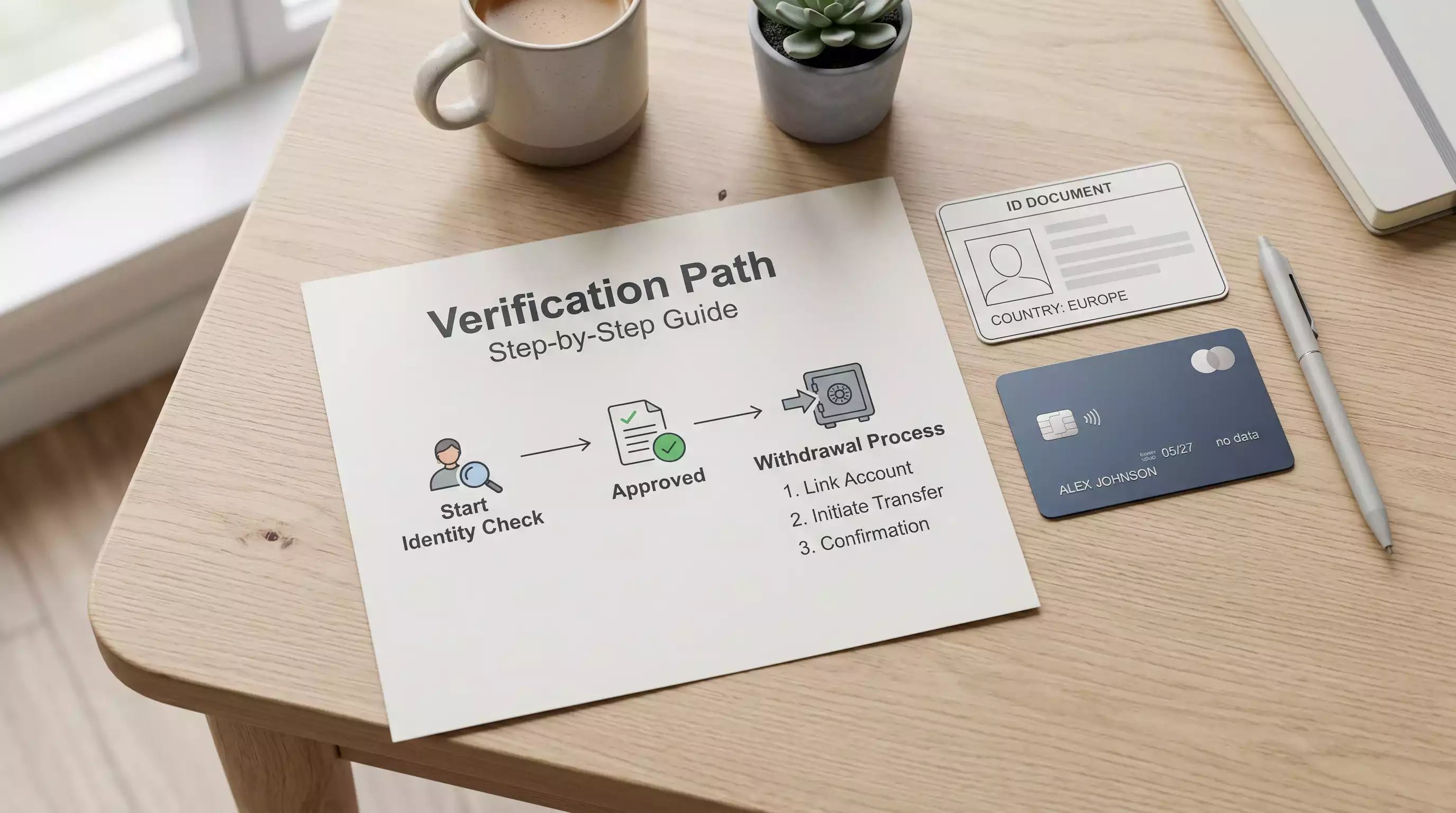
If the problem is a delayed withdrawal or account check, read the ID checks and withdrawals guide for the practical difference between document checks, payment restrictions and terms. If a promotion is part of the pressure, read the bonus terms guide to understand why offers can create locked-in play or confusion. If there is already a formal dispute, the complaints guide explains how to keep records and understand ADR limits. None of those pages should be used to justify more gambling; they are there to reduce confusion and protect evidence.
When a complaint and gambling urge happen at the same time, put support first. A clean complaint record can wait for a short pause; a deposit made under pressure can create more harm immediately. If you have already self-excluded or set blocks, let those tools stand. The fact that you are tempted does not mean you have to act on the temptation.
A short plan for the next hour
- Close gambling pages and move away from the device if you can do so safely.
- Contact a verified support route, such as GamCare or the National Gambling Helpline on 0808 8020 133, or use the relevant official page for your part of the UK.
- Ask your bank whether a gambling block is available on your account and whether it can include a cooling-off period before removal.
- Review device or browser blocking options and add another barrier before the next urge appears.
- Turn off gambling marketing where you can, including email, text and app notifications.
- If a money issue is open, write down the facts and save records, then return to the complaint later rather than staying on the gambling site.
- Tell one trusted person what you are trying not to do today. A short honest message is enough.
The plan is deliberately simple because a long plan is hard to follow under pressure. You do not need to solve every financial, emotional or account issue in one hour. The first goal is to avoid adding another gambling action to the situation. After that, you can deal with records, complaints, privacy requests or money decisions with a clearer head and better support.