UK Casino Security Checks, Privacy and Game Fairness (2026)
 Available in GB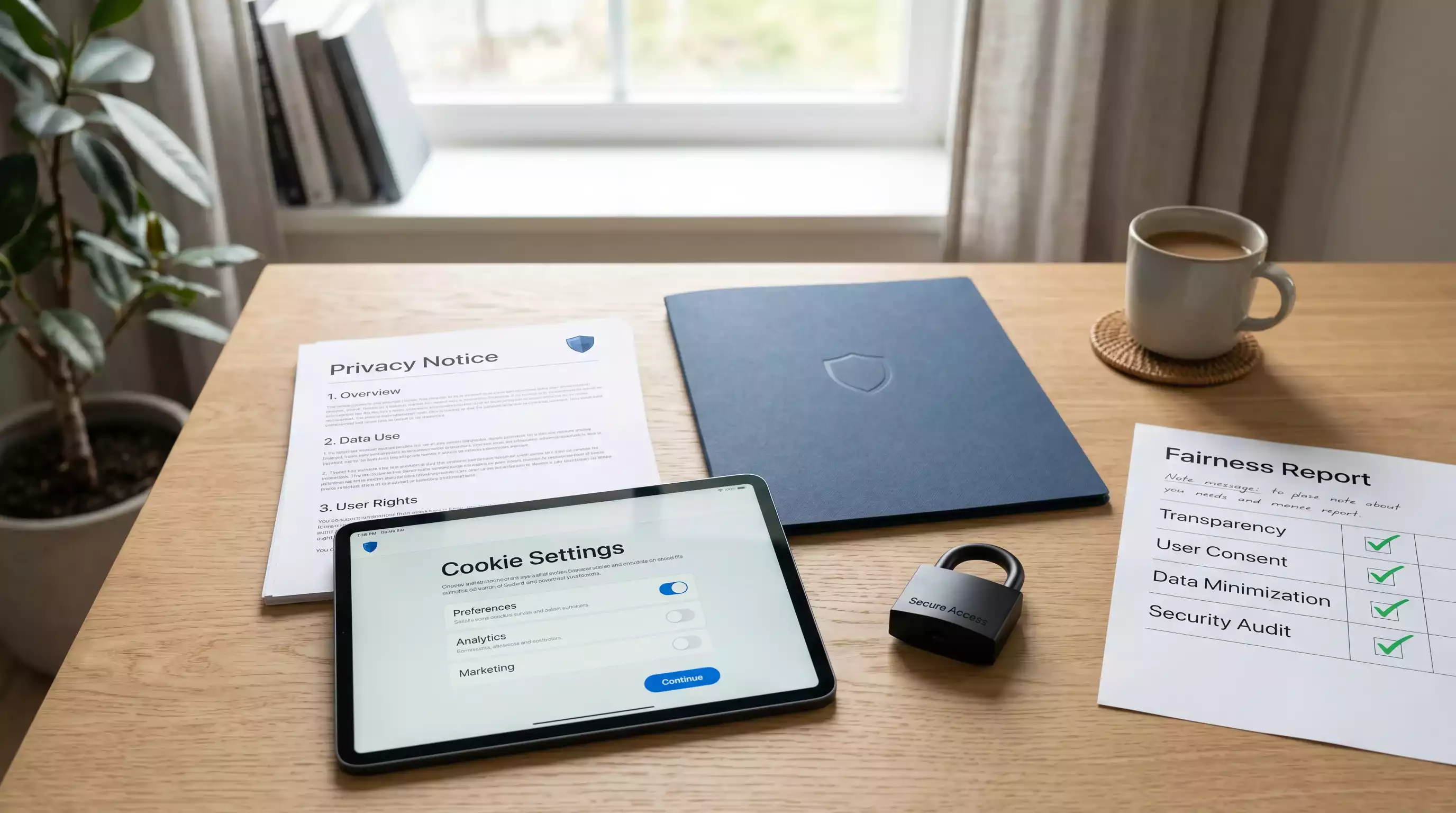
Verifying Casino Game Fairness and Player Data Protection
Trust signals often appear together: regulator badges, payment logos, software names, cookie banners, privacy links, game-testing marks and statements about account security. The problem is that each signal answers only a narrow question, and sometimes it does not answer even that unless it can be checked. A payment logo does not show that a gambling business is licensed in Great Britain. A privacy notice does not show that a withdrawal will be paid. A game-testing reference does not show that a bonus rule is fair to you. A marketing review does not prove secure document handling.
For a UK reader, the first practical boundary is the official licence check. If the business and domain cannot be connected clearly to the Gambling Commission register, privacy and fairness signals should be treated with extra caution. That does not mean every other signal is useless. It means none of them should be used to talk yourself past an unclear licence, a vague operator identity or a site that asks for money and documents before explaining who is responsible for the account.
The second boundary is evidence. If a site says it uses strong security, ask what you can actually see: secure account login, clear contact and complaint information, a privacy notice that explains data use, cookie choices, document handling information and specific game-testing or technical statements. If the wording is only a collection of badges and slogans, it is not enough to carry a decision.
Security goes hand in hand with regulation, so start by checking a gambling site’s licence on the official register.
Privacy rights: useful, but not a magic button
UK data-protection rights can include rights such as access to personal data, erasure in certain circumstances and objection to some uses of data. These rights are important, but they are not unconditional and they are not a gambling dispute service. A gambling business may also have legal or regulatory reasons to keep certain records, especially where identity, payments, complaints or anti-money-laundering obligations are involved. That is why you should not assume that every data request will be deleted immediately simply because you ask.
Before sharing documents, read the privacy notice like a practical document rather than a formality. Look for who controls the data, what categories of information are collected, why identity documents may be requested, how long information may be kept, who it may be shared with, how marketing is handled and how to make a rights request. If the notice is missing, generic, very hard to understand or not connected to the business named in the terms, do not treat that as a small inconvenience.
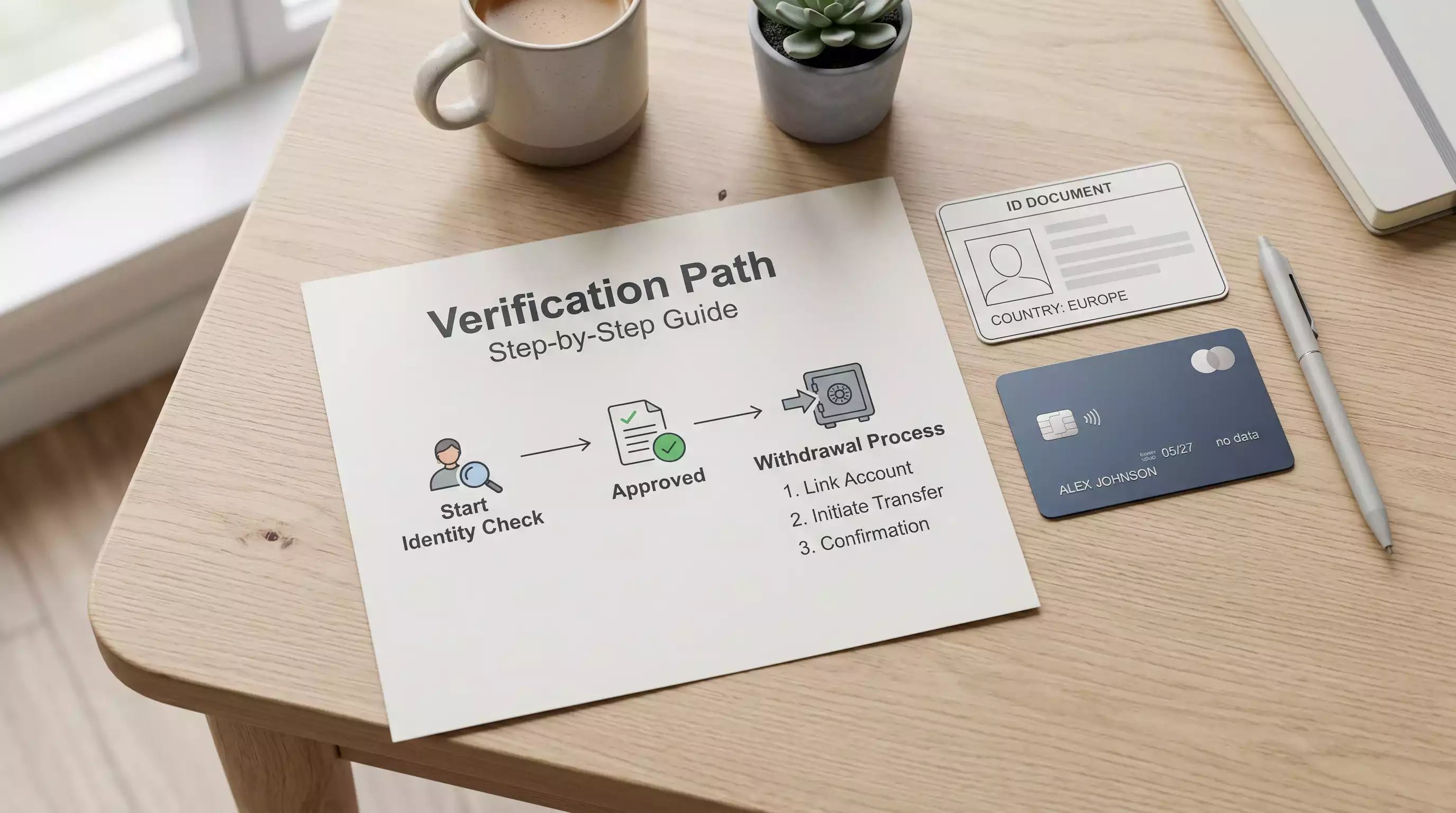
Also look at whether the privacy notice and the account process tell the same story. If the site asks for passport, driving licence, proof of address or payment information, the privacy wording should explain how sensitive documents are handled. Do not upload documents to an unknown or unverified site just because a pop-up says verification is required. Age and identity checks are normal in licensed online gambling, but that does not remove your need to verify the business and the channel receiving the documents.
Cookie, tracking and marketing checks
Cookie and tracking practices are not just technical clutter. They can affect how a gambling site profiles users, delivers adverts, measures behaviour and shares data with advertising or analytics services. The Information Commissioner’s Office has treated cookie compliance as an active UK regulatory concern, so a reader should not ignore vague or confusing tracking language. A banner that gives no real choice, hides information or pushes consent through pressure wording is not a good sign.
Use the cookie and marketing check to answer simple questions. Can you tell which cookies are necessary and which are optional? Can you refuse non-essential tracking as easily as you accept it? Does the privacy notice explain direct marketing, profiling or sharing with third parties? Can you find a way to object to marketing or change preferences? If the site uses aggressive advertising language while making privacy controls hard to find, consider that a risk signal rather than a harmless design choice.
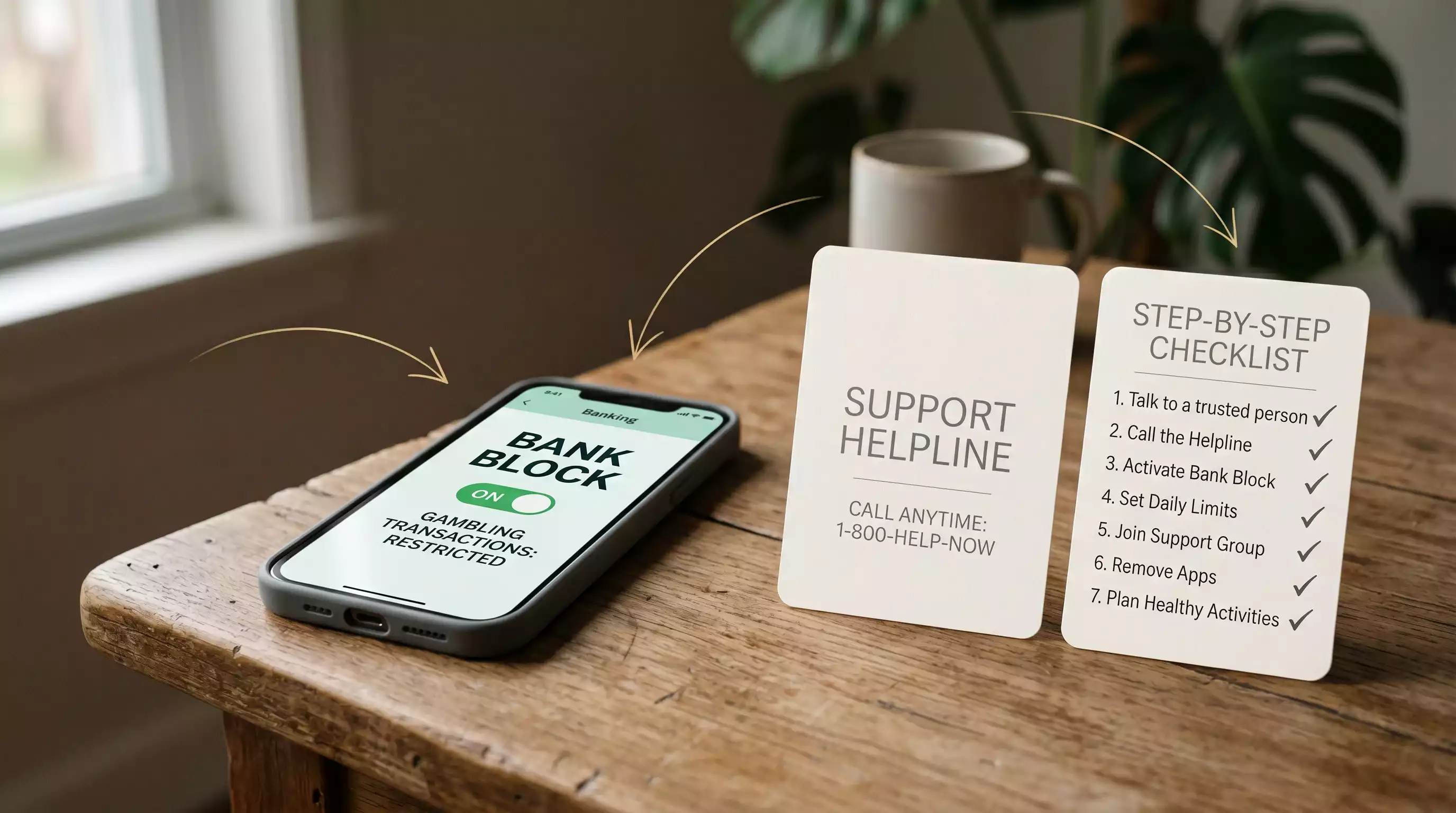
Marketing controls matter even more if gambling has become difficult to control. Promotional messages can bring a person back at the wrong moment. If you are trying to reduce gambling, opt-out links and marketing objections may help, but they should sit alongside stronger tools such as self-exclusion, bank gambling blocks and blocking software where appropriate. Privacy controls are not treatment and they are not a guarantee; they are one part of reducing exposure.
Trust-signal risk map
| Signal to inspect | What to look for | What it can help with | What it cannot prove | Red flag |
|---|---|---|---|---|
| Privacy notice | Controller identity, data uses, retention, sharing and rights | Understanding who handles your information and why | That withdrawals, games or bonus terms are fair | The notice is missing, generic or names a different business |
| Cookie controls | Clear choices for non-essential tracking and marketing | Reducing unnecessary profiling and advertising exposure | That the operator is licensed or financially reliable | Consent is pressured or refusal is hidden |
| Document handling | Clear explanation of how ID and proof-of-address files are requested and protected | Checking whether a sensitive request makes sense | That every request is proportionate or risk-free | Documents are requested through an unverified channel |
| Technical standards | Specific statements connected to remote gambling controls and system security | Showing that technical compliance has been considered | That the exact site you are using is currently compliant | Only vague phrases such as “fully secure” appear |
| Game testing | Named reports or testing references that can be checked | Supporting questions about game software and fairness evidence | That a named game will pay, or that gambling is suitable for you | Badges appear without issuer, date, scope or verification route |
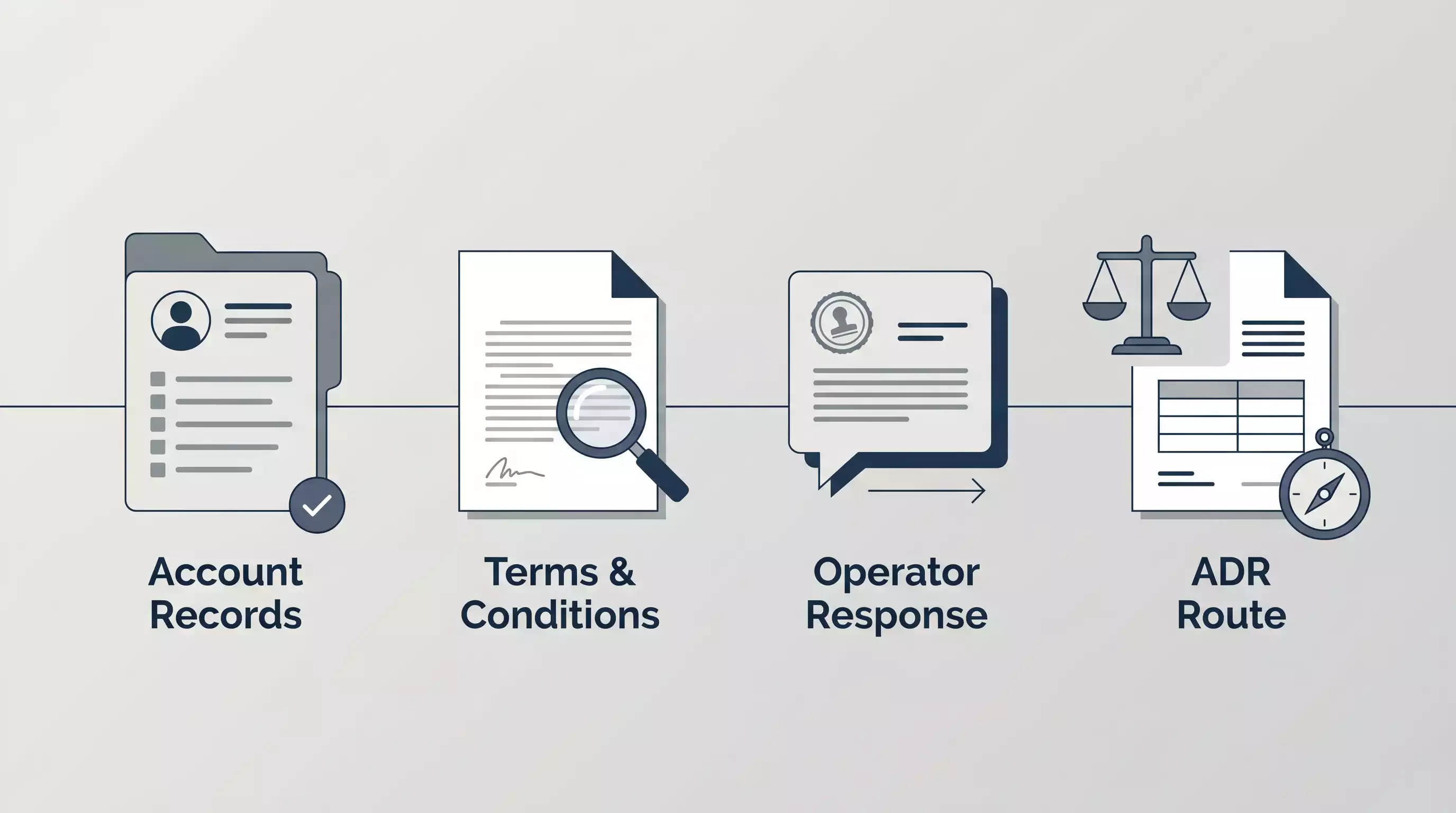
| Complaint route | Formal complaint information and ADR details for licensed operators | Knowing where a dispute may go if unresolved | A guaranteed outcome or refund | The route is unclear or missing from terms |
Security checks before sending documents
When a site asks for documents, slow down. Check the licence, the domain, the account area and the privacy notice before sending anything. Do not use a link from an unexpected message if you can log in directly through the site address you have already checked. Keep a record of what was requested and when. If the request changes, ask for a written explanation before sending more information.
Look for ordinary account controls as well. Can you create a strong password? Does the site offer clear account-security advice or multi-factor login options where available? Are contact details consistent with the terms and privacy notice? Does the site explain what happens if an account is compromised? None of these checks proves that a site is safe, but weak or missing controls should make you hesitate.
Do not let urgency decide the matter. A message that says a withdrawal will fail unless you upload documents immediately can make a person rush. A real compliance request should still be capable of being explained through an official account channel. If the account is already in dispute, save the request and consider whether it belongs with your complaint record. For the payment side of this issue, use the ID checks and withdrawals guide.
Protect your personal information by playing exclusively at safe casinos outside Gamstop that use advanced encryption technology.
Game fairness evidence without overclaiming
For licensed remote gambling, technical standards and games test reporting are part of the compliance landscape. A reader can use this as a prompt to ask for evidence, not as a reason to accept vague claims. If a site refers to random number generators, game testing or software certification, look for the exact issuer, scope and connection to the site or game. A logo copied into a footer is not the same as a report you can understand.
Be careful with language that sounds absolute. No public page can truthfully tell you that every spin, game session or operator decision will be fair in your individual case without current, exact evidence. Fairness evidence is about systems and controls; it is not a promise of a favourable outcome. Gambling remains risky even when a site has better documentation than another.
If the fairness evidence is unclear, do not try to solve the uncertainty by reading more promotional pages. Go back to the basics: licence, business identity, terms, privacy, complaints, customer funds and your own reason for wanting to gamble. If the reason is pressure, loss-chasing or frustration with self-exclusion, the more useful page is the support and blocking guide, not another technical check.