UK Casino ID Checks, KYC Verification and Secure Withdrawals
 Available in GB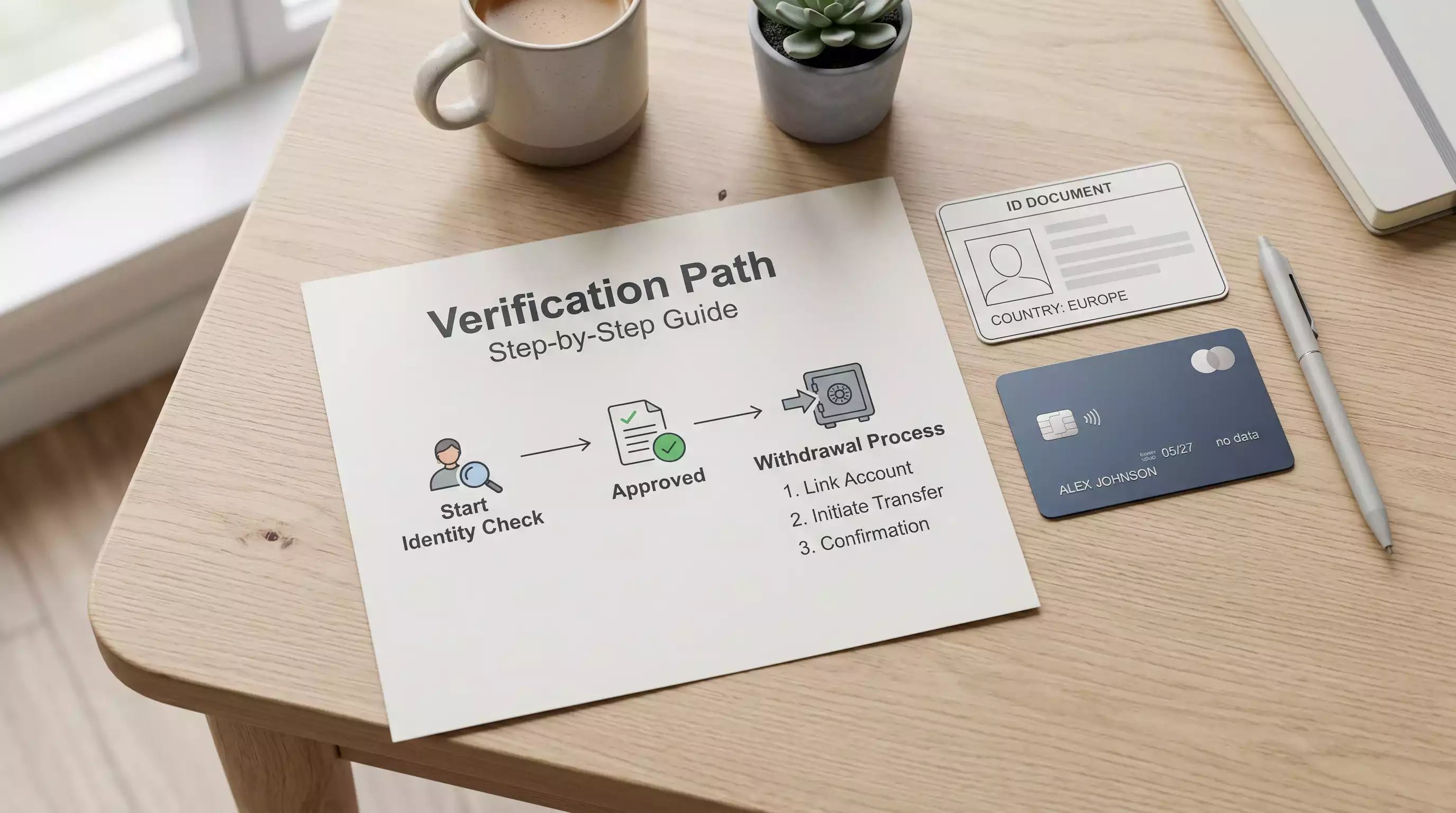
Passing UK Casino KYC Verification and Payment Regulations
Licensed online gambling businesses in Great Britain must verify age and identity before gambling. For remote operators, the verified details include name, address and date of birth before a customer is allowed to gamble. That basic point changes how document requests should be read. A site that treats weak checks as a benefit is not automatically doing the reader a favour. It may be removing a protection that exists for age control, account security, self-exclusion checks and compliance.
Many readers feel frustrated when they are asked for documents. That reaction is understandable, especially if the request arrives when a withdrawal is pending. But it is important to separate frustration from the purpose of the check. Identity checks can confirm that the account holder is real, old enough, and not using the account in a way that conflicts with the operator’s responsibilities. Source-of-funds or source-of-wealth questions may appear in some situations because gambling businesses have anti-money-laundering and risk-monitoring duties. Not every customer will face the same questions, and a generic page cannot predict exactly what a particular operator will ask for.
The practical lesson is simple: never deposit on the assumption that documents will not be requested later. Read the identity, account and withdrawal sections before you start. Check whether the site explains what may be requested, how documents are submitted, what happens if information is incomplete, and whether withdrawals can be delayed while checks are carried out. If the terms are vague, hidden or contradictory, the risk is not just administrative. It can affect access to your own money.
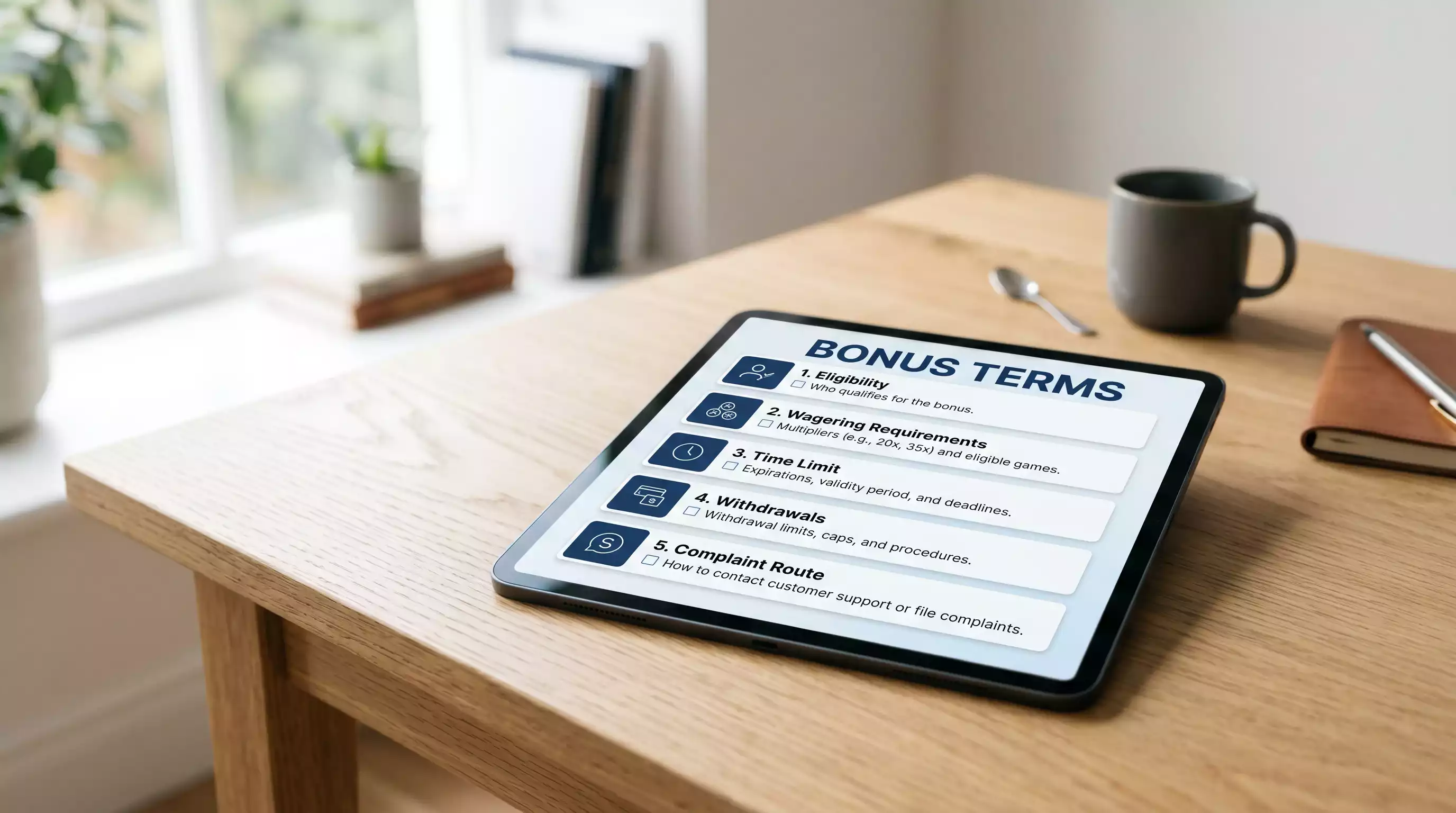
Before making your first deposit, carefully read the gambling bonus and promotion terms to avoid unexpected wagering requirements.
Credit, payment and withdrawal claims need careful wording
Licensed operators have restrictions around credit-card gambling. That matters because some pages frame credit access, unusual payment routes or limited checking as convenient. For a reader, convenience is not the same as protection. A payment option can look simple at the deposit stage and still leave questions about chargebacks, account ownership, source of funds, document evidence or withdrawal restrictions. Do not treat a headline about speed as a promise. Withdrawal terms and regulatory-check exceptions can matter more than the front-page claim.
Withdrawals can also be affected by account decisions and checks. That does not mean every delay is justified, and it does not mean a site can use vague demands as an excuse forever. It does mean you should understand the stated process before you deposit. Ask what information the operator says it may request, when checks can happen, whether withdrawals are tied to bonus terms, and how complaints are handled if the process breaks down. If the answer is hidden in long terms, read the relevant sections slowly before acting.
A useful warning sign is a site that makes deposits easy to understand but withdrawals hard to understand. Another warning sign is a page that talks a lot about speed without explaining when identity, anti-money-laundering or safer-gambling checks may override the simple promise. A third warning sign is a site that encourages you to use someone else’s payment details or treats account ownership as flexible. Gambling accounts, payment details and identity checks should line up. If they do not, the account can become difficult to verify and withdrawals can become harder to resolve.
A before-deposit decision path
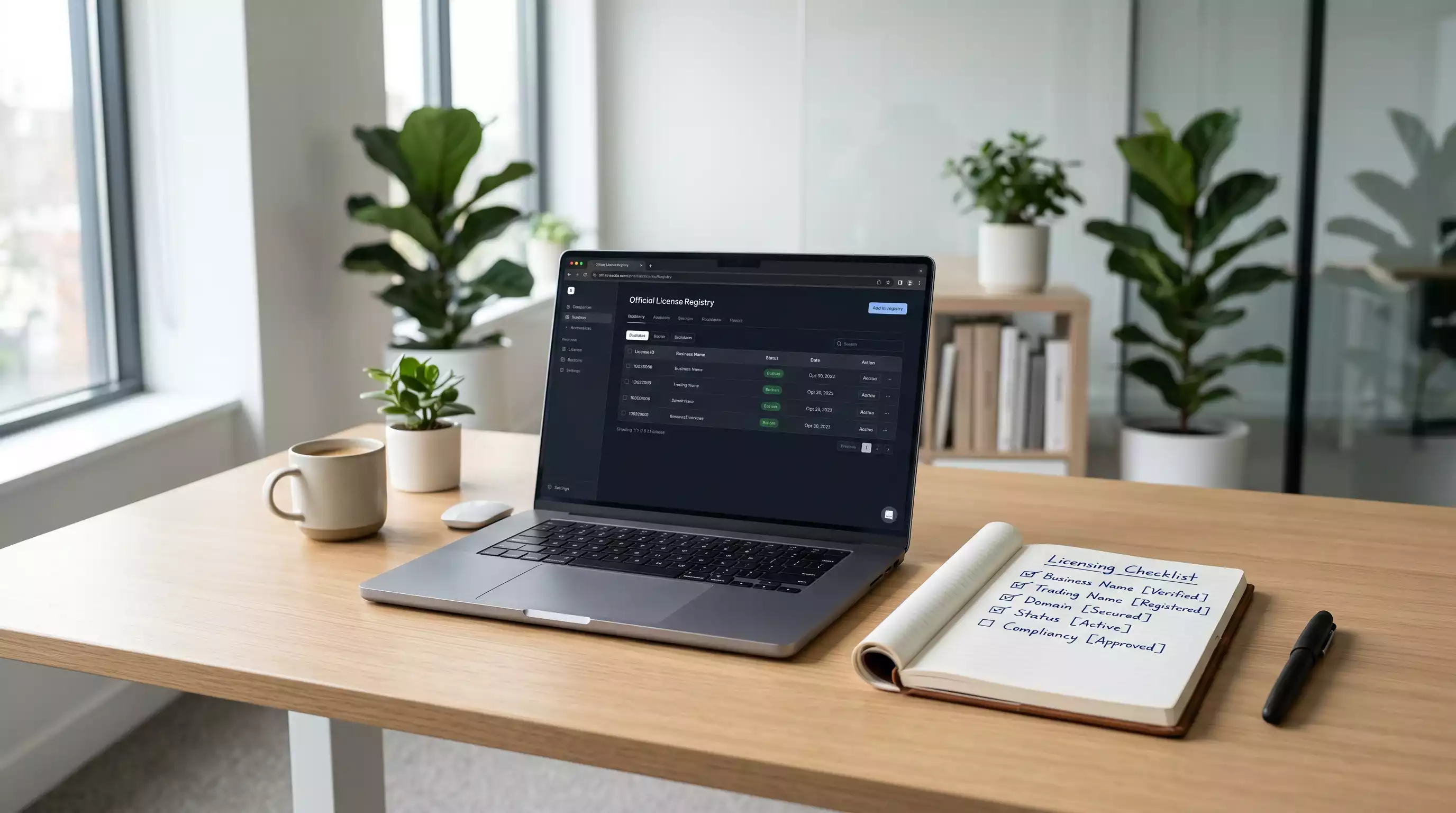
- Check the licence position. Before payment details are entered, use the licence-check guide and the official register. If you cannot connect the business, trading name and domain, stop before money moves.
- Read identity terms. Look for age, identity, address and account-verification wording. A clear site should not make these rules impossible to find.
- Read payment rules. Check whether the payment method must be in your own name, how deposits are recorded, and whether any restrictions are stated before withdrawal.
- Read withdrawal rules. Look for conditions that may delay or restrict withdrawals, including document checks, bonus conditions and account reviews.
- Ask what could change after a win. If the site says checks may happen later, think about whether you can provide the evidence it may request.
- Pause if the attraction is a protection gap. If you are drawn to the site because a block, limit or self-exclusion is stopping you elsewhere, move to support and blocking guidance before making any payment.
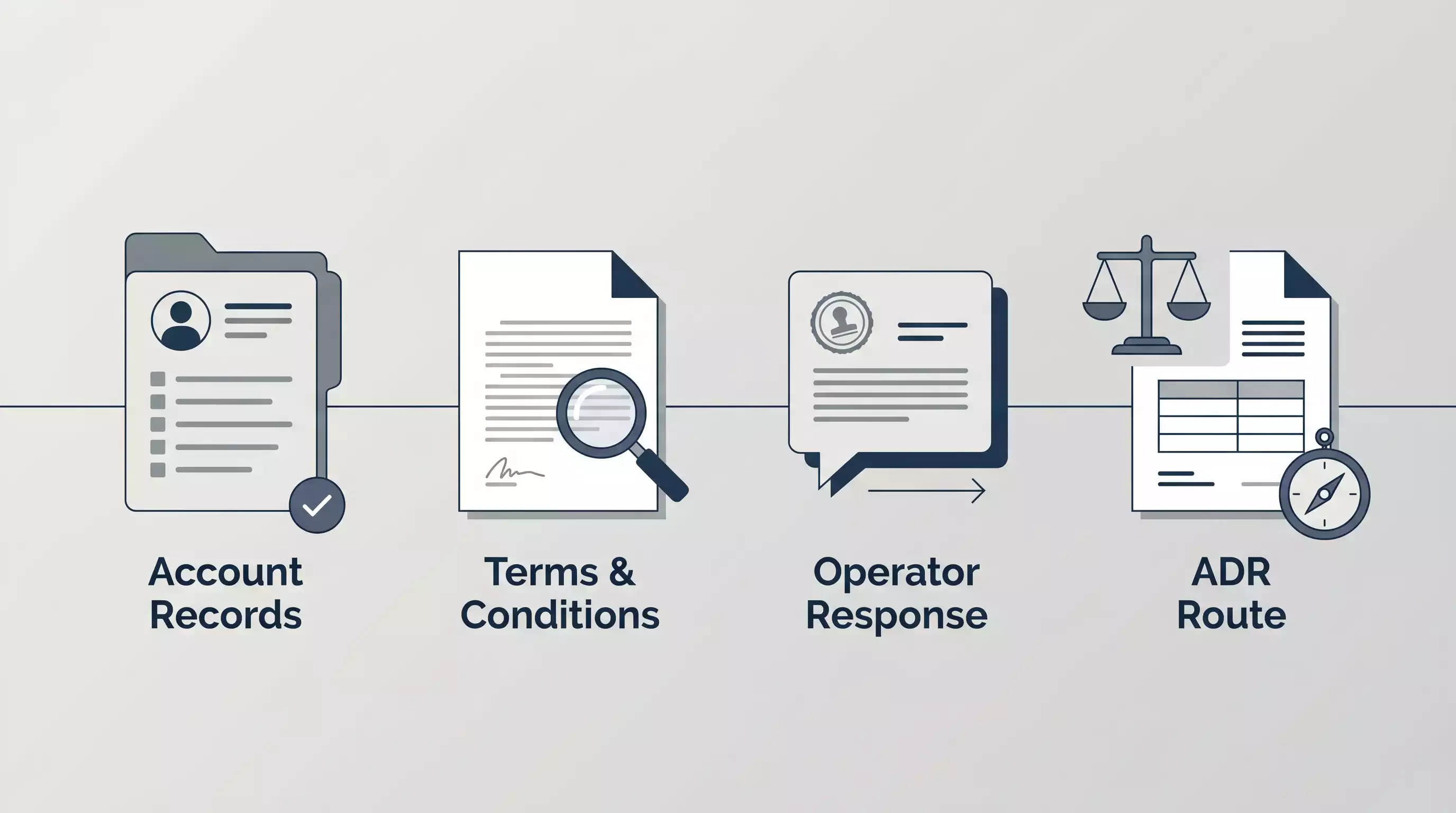
- Keep records. Save terms, account messages and payment confirmations in case you need to raise a complaint later. Do not rely on memory after a dispute starts.
What to read in the terms
| Term section | Why it matters | Careful question to ask |
|---|---|---|
| Age and identity verification | It explains when the operator may ask who you are and how your account is confirmed. | Does the site say what it checks before gambling and what may be requested later? |
| Source of funds or source of wealth | It may explain why financial evidence is requested in some cases. | Is the wording specific enough to understand what could be asked and why? |
| Payment ownership | It can affect whether deposits and withdrawals must use your own account or card. | Are you using details that match your gambling account and identity? |
| Withdrawal conditions | It describes checks, limits, processing rules and possible reasons for delay. | Could any condition affect access to your balance after a win? |
| Bonus interaction | Promotions can add wagering, time or withdrawal conditions. | Have you read the promotion rules before accepting anything tied to a deposit? |
| Complaints | It tells you how to raise a problem if a withdrawal or account decision is disputed. | Is there a clear route for complaints and later escalation? |
When a withdrawal is already delayed
If a withdrawal is already delayed, avoid guessing. Gather the account messages, terms that applied when you deposited, proof of payment and any document requests. Reply only with accurate information through the operator’s official channel. Do not send documents to a different address simply because a message pressures you to act quickly. If the request is unclear, ask what is needed, why it is needed, and how long the review normally takes under the operator’s own process. Keep the tone factual because a complaint is easier to follow when the record is clean.
Some delays are linked to identity or anti-money-laundering checks. Some are linked to bonus conditions. Some are linked to account restrictions or a dispute about terms. Those are different problems. A page about payments cannot decide which one applies to your account, but it can help you keep the questions separate. If the core issue is an unresolved withdrawal, move to the fund protection and complaints guide. If the issue began with a promotion, read the bonus-terms guide. If the issue is that gambling feels urgent or difficult to stop, support is more important than another payment attempt.
Enjoy a smoother verification process by choosing the best non Gamstop betting platforms available to British players today.
Do not treat lighter checks as a benefit
It can be tempting to prefer a site that seems to ask fewer questions. That is especially true when the reader is tired of forms, documents and blocked payments. But lighter checks are not automatically safer, fairer or more convenient in the long run. A site that accepts money quickly may still ask questions when you try to withdraw. A site that does not explain checks clearly may leave you with less clarity when something goes wrong. A site that treats credit or unusual payment routes as a selling point may be encouraging a decision you have not fully tested.
If self-exclusion, debt or loss-chasing is part of the situation, step away from the payment question. Verified support is available through GamCare and the National Gambling Helpline on 0808 8020 133, and official health information is available from the NHS. This page is not medical or legal advice, but it can say one practical thing clearly: do not use payment convenience to override a protection you put in place for yourself. The safest next step may be to block payments, speak to someone and avoid opening a new account.