UK Casino Bonus Terms, Promotions and Wagering Conditions
 Available in GB
Reviewing Significant Wagering Conditions for UK Casino Promotions
Gambling promotion terms should make significant conditions clear. That includes eligibility, wagering or deposit requirements and time limits. A careful reader does not need to compare offers or chase a larger headline. The safer approach is to ask whether the conditions are clear enough to understand before any deposit is made. If you have to dig through several pages to find the restrictions, or if the main claim and the small print seem to point in different directions, treat that as a reason to pause.
Promotions can affect withdrawals, account use and complaints. For example, a deposit bonus may require certain play before any bonus-linked funds can be withdrawn. Some terms may exclude particular games or set a deadline. Some may require the account to be verified before withdrawal. Some may describe what happens if the operator believes the offer has been misused. The exact wording matters. A generic promise on a banner does not replace the terms that apply to your account.
Do not read a promotion as free money. Read it as a conditional agreement that may change the way deposits, wagers and withdrawals are handled. If the conditions are too complex to explain back to yourself in plain language, you do not yet understand the offer well enough to use it. That is not a failure on your part. It is a signal that the terms may be too unclear or too burdensome for a quick decision.
If you find yourself chasing bonuses to recover losses, it might be time to recognize when gambling control is the real issue and seek professional help.
The bonus-terms checklist
| Check | Question to ask before depositing | Why it matters |
|---|---|---|
| Eligibility | Who is allowed to use the promotion, and are any countries, accounts or customer groups excluded? | An offer can be displayed widely while only applying to specific customers. |
| Deposit requirement | Does the promotion require a deposit, and what happens to your own money if you accept it? | The cost of using the offer may be hidden behind the headline. |
| Wagering requirement | What must be played before any bonus-linked withdrawal is possible? | This can decide whether a balance is realistically accessible. |
| Time limit | When does the promotion expire, and what happens to unfinished wagering or unused funds? | Short deadlines can pressure decisions and lead to lost balances. |
| Maximum stake or bet rules | Are there limits on stake size while the promotion is active? | Breaking a stake condition can create disputes about winnings. |
| Excluded games | Which games do not count, count differently or are excluded from the offer? | Game exclusions can make the headline less meaningful than it first appears. |
| Withdrawal cap | Is there a limit on what can be withdrawn from promotional play? | A cap can reduce the value of a large-looking balance. |
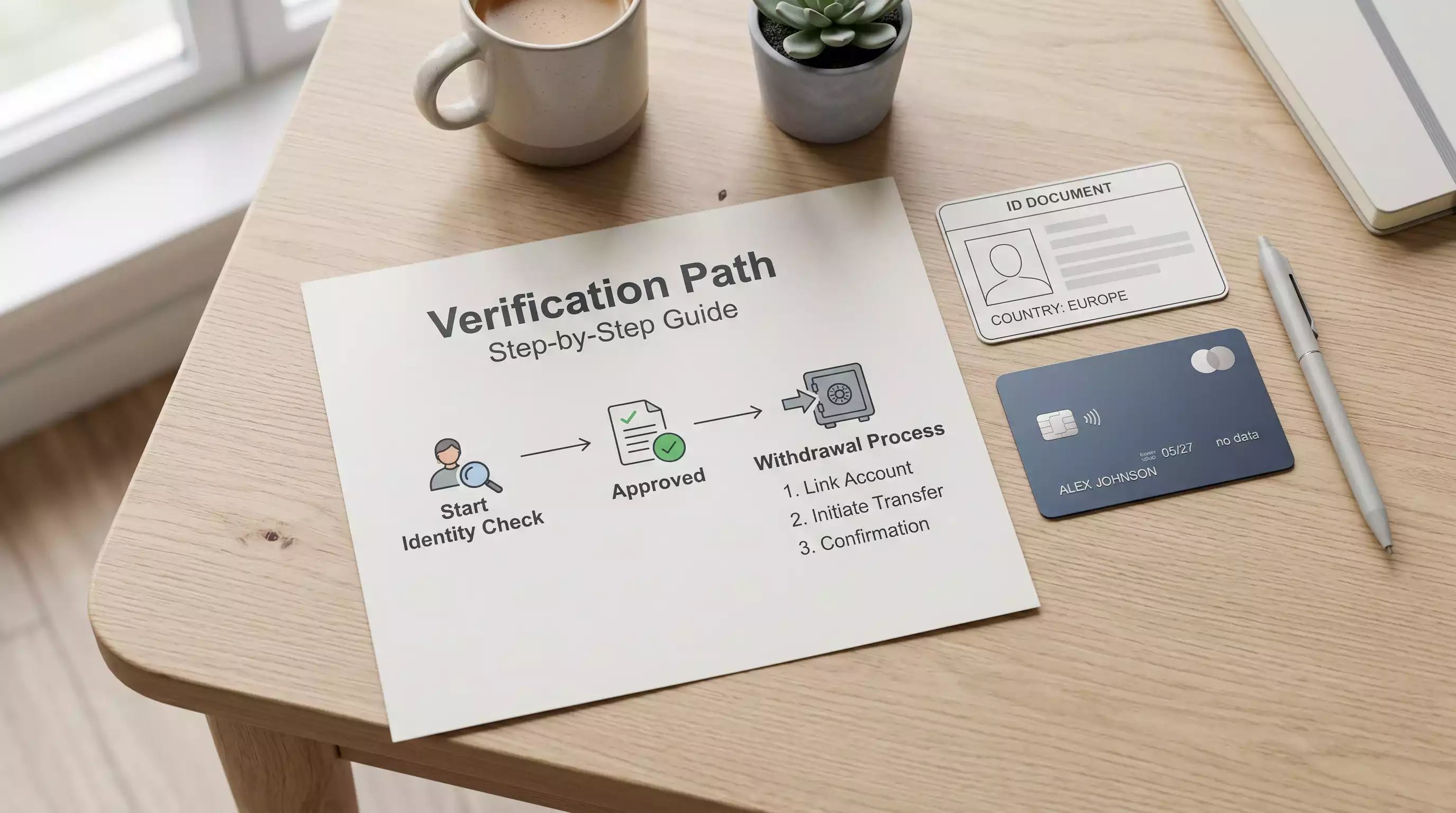
| Document checks | Can identity, payment or account checks be required before withdrawal? | Promotion terms often interact with verification and withdrawal rules. |
| Account restrictions | What conduct can lead to cancelled bonuses, closed accounts or withheld funds? | Vague restriction wording can create uncertainty in a dispute. |
| Complaint route | How does the operator say a disagreement about terms should be raised? | You need a clear route if the operator applies the terms in a way you dispute. |
Common ways promotion wording can mislead a reader
The most common problem is not always a false headline. Sometimes the headline is technically limited by conditions that a normal reader may not notice in time. A promotion may put the attractive part in large wording and the restrictions in a different section. It may describe a reward while leaving the withdrawal conditions for a later page. It may say an offer is time-limited in a way that pressures the reader to deposit before reading. It may use a simple number while the actual value depends on wagering, game contribution, verification and withdrawal caps.
A second problem is separation. Payment rules may sit in one place, bonus rules in another and account restrictions in another. Reading only one page can leave out the condition that matters. If you accept a promotion, read it with the payment and withdrawal terms, not in isolation. A rule about documents, account ownership or safer-gambling checks may still apply even when the promotion page does not repeat it. The payments and ID guide explains why those checks matter before depositing.
A third problem is optimism. A reader may assume that a term will be applied generously because the advert feels friendly. Terms are not interpreted by mood. If a rule gives the operator discretion, sets a deadline or creates a withdrawal condition, assume it can matter. Keep screenshots or saved copies of the terms that apply when you deposit, because wording can be hard to reconstruct after a disagreement. If you already have a dispute about how terms were applied, use the complaints guide rather than accepting a vague explanation.
What clear terms tend to make visible
Clear promotion terms do not remove gambling risk, and they do not make a site suitable for you. They simply make the agreement easier to understand. Useful terms show who can use the promotion, what deposit is needed, how wagering works, which games count, the time limit, the maximum stake, the withdrawal cap and the complaint route. They explain document checks and account restrictions in a way a normal reader can follow. They do not rely on a headline to do work that the terms should do.
Unclear terms often leave a reader guessing. They may use undefined phrases, hide important limits, or fail to explain what happens when a withdrawal is requested. They may make it hard to tell whether a rule applies to your own deposit, bonus-linked funds or winnings. They may refer to other pages without making the full chain easy to follow. When important conditions are not clear, the safe decision is not to deposit first and ask later. The safe decision is to stop until the conditions are understood.
There is no need to turn this check into a hunt for a better offer. The same checklist applies whether a promotion looks large, small or ordinary. If the conditions are fair and clear, the reader can understand the commitment before acting. If they are vague, hidden or inconsistent, the size of the headline does not fix the problem.
Find objective reviews and transparent bonus details on the main page of Casino Ignorer GAMSTOP before risking your money.
A calm way to decide whether to accept a promotion
- Read the headline, then immediately find the full terms before making any deposit.
- Write down the deposit requirement, wagering requirement, time limit, maximum stake and excluded games.
- Check whether identity, payment or account verification must be completed before withdrawals.
- Look for any withdrawal cap or condition that could reduce or delay access to winnings.
- Check whether accepting the promotion changes how your own deposited money can be withdrawn.
- Read the complaints route before a dispute exists, not after the account becomes restricted.
- Pause if the offer creates pressure, excitement or a fear of missing out. Pressure is not a good reason to deposit.
- If the promotion is appealing because you are trying to recover losses or continue after a protection has stopped you, move to support rather than the offer.
When bonus terms should make you walk away
Walk away if the promotion does not clearly state the significant conditions before deposit. Walk away if the site shows a large headline but makes wagering, time limits or withdrawal caps difficult to find. Walk away if the terms encourage speed while discouraging reading. Walk away if the offer depends on document or payment rules you cannot meet. Walk away if the complaint route is vague. Walk away if you feel you are accepting the promotion because losses need to be recovered quickly.
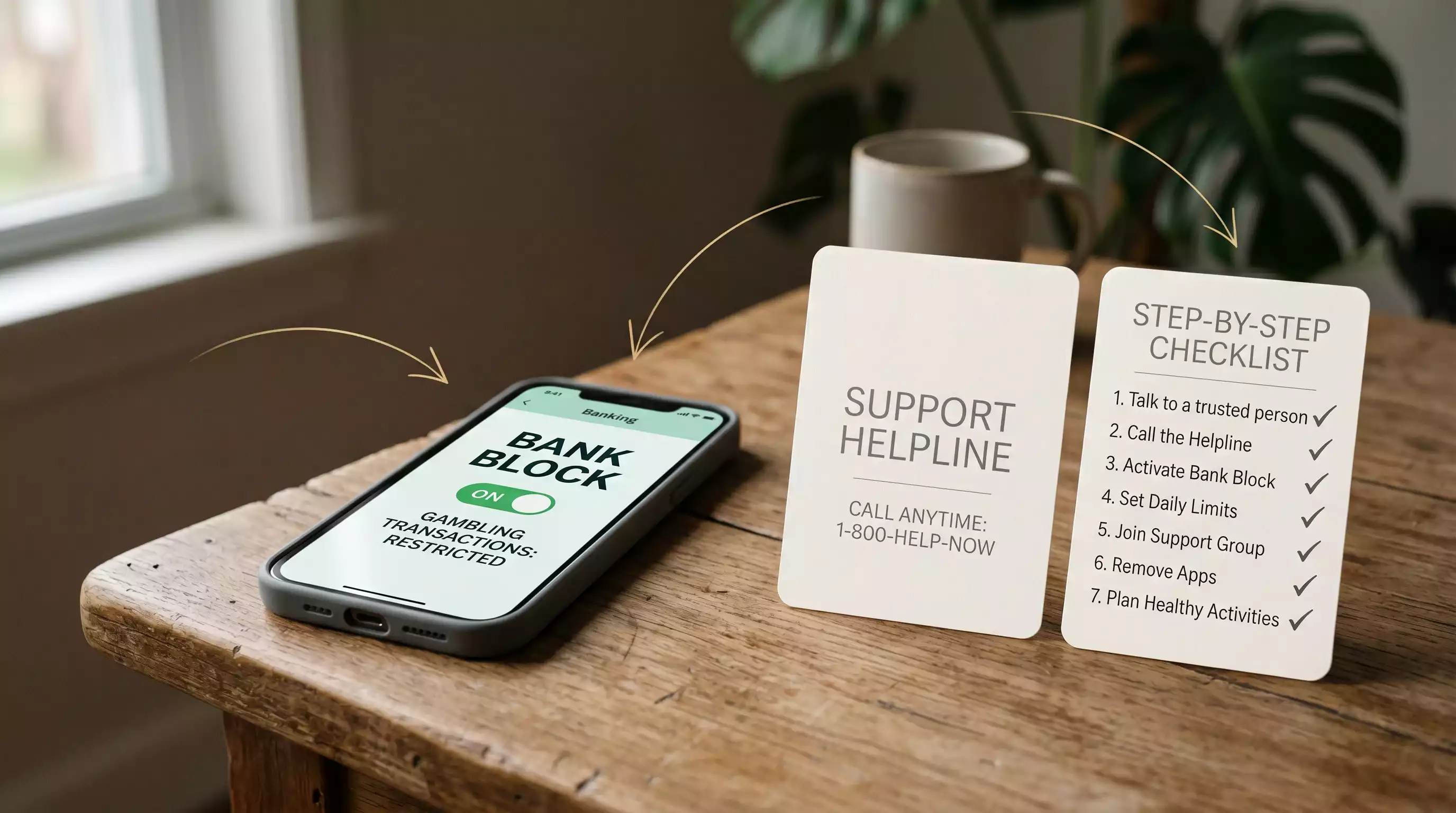
If gambling feels hard to control, support matters more than an offer. GamCare and the National Gambling Helpline can provide help, and the NHS publishes information about gambling addiction and treatment options. This page cannot decide what is right for your personal situation, but it can set a clear boundary: a promotion should never be used to push through stress, debt, self-exclusion or loss-chasing. If you need a break, take the break before the deposit decision is made.