UK Gambling Licence Checks and Casino Verification 2026
 Available in GB
Checking the Official UK Gambling Licence Register Before Depositing
A gambling site may display a licence number, a regulator logo, a badge, a payment mark, a review score or a statement about where it is based. Those things are not the same as confirming that the business is licensed by the Gambling Commission for Great Britain. A cautious check starts away from the gambling site, on the official public register. Use the business name, trading name or domain information shown by the site, then compare the details rather than looking for a quick match that merely sounds similar.
The point is not to build a list of places to play. The point is to decide whether the basic claim stands up before you go further. A clear register match can help you see the licensed business behind the site and the status information available there. A missing, unclear or mismatched result does not prove every possible fact about the site, but it is enough reason to pause. If the name on the page, the business shown in terms and the register entry do not line up in a way you can understand, do not treat that as a minor paperwork issue.
The Gambling Commission also publishes user guidance about making sure a gambling business is licensed. That guidance matters because many commercial pages talk about gambling sites as if any foreign licence, software logo or public-facing badge answers the protection question. It does not. Great Britain licensing has its own rules and consumer-protection context. A different jurisdiction may have its own system, but you should not assume that it gives the same route for checks, complaints, self-exclusion or account issues.
After verifying the official licence, players should also perform thorough privacy and game fairness checks to ensure their data is fully protected.
What the register can help you check
Use the register like a verification tool, not like a rating. A useful check is specific. It asks whether the business, trading name and domain information make sense together. It also asks whether the status is clear. If you cannot connect the gambling site you are viewing with a register entry, you do not have a strong basis for trusting the site’s claim. The more urgent the page feels, the slower your check should be.
| Item to check | Where to check | What a clear result can show | What it cannot prove | When to stop |
|---|---|---|---|---|
| Business name | The Gambling Commission public register and the site’s own terms page | Whether the business named by the site appears in official licence information | That every offer, payment route or support claim on the site is fair | Stop if the names are missing, vague or do not connect clearly |
| Trading name | The public register entry and the footer or terms on the gambling site | Whether the brand name is connected to a licensed business | That the brand is suitable for your circumstances | Stop if a similar-looking name is the only match |
| Domain details | Register information where available, plus the exact web address you are using | Whether the address appears to connect to the business information being checked | That every page you land on is genuine or secure | Stop if the address changes, redirects strangely or does not match the claim |
| Licence status | The official register status information | Whether the entry is presented as active, suspended, lapsed or otherwise marked | A personal legal answer or a guarantee of payment | Stop if the status is unclear or not compatible with what the site claims |
| Self-exclusion context | GAMSTOP information and safer-gambling support pages | Whether the site’s role sits inside or outside the protection you expected | A safe way to continue gambling during a protection period | Stop if you are checking mainly because a protection is blocking you |
Why foreign licences and badges need careful reading
Some sites talk prominently about being licensed somewhere outside Great Britain. That may be a real claim or it may be marketing language, but it should not be read as equal to a Gambling Commission licence for Great Britain. A foreign licence does not automatically answer whether a GB consumer has the same register checks, complaint routes, self-exclusion coverage, advertising standards or account protections. If the page you are reading treats a distant licence as a simple replacement for GB licensing, that is a warning sign rather than a reassurance.
Badges are similar. A badge may refer to software, payments, game testing, responsible-gambling tools or membership of a trade body. Without checking the exact issuer and exact scope, a badge can become decoration rather than evidence. Payment logos are also limited. They may show a payment method the site wants to advertise, but they do not prove licence status, fund protection, complaint handling or fairness of terms. A site can look polished and still leave the important questions unanswered.
A practical way to stay grounded is to separate three questions. First, who is the legal business behind the site? Second, is there clear Gambling Commission register information for that business, trading name and domain? Third, do the terms explain payments, withdrawals, customer funds, complaints, privacy and safer-gambling tools in a way you can understand before depositing? If any of those questions cannot be answered, the sensible move is not to search for a more flattering description. It is to pause.
Do not let the check become a directory of alternatives
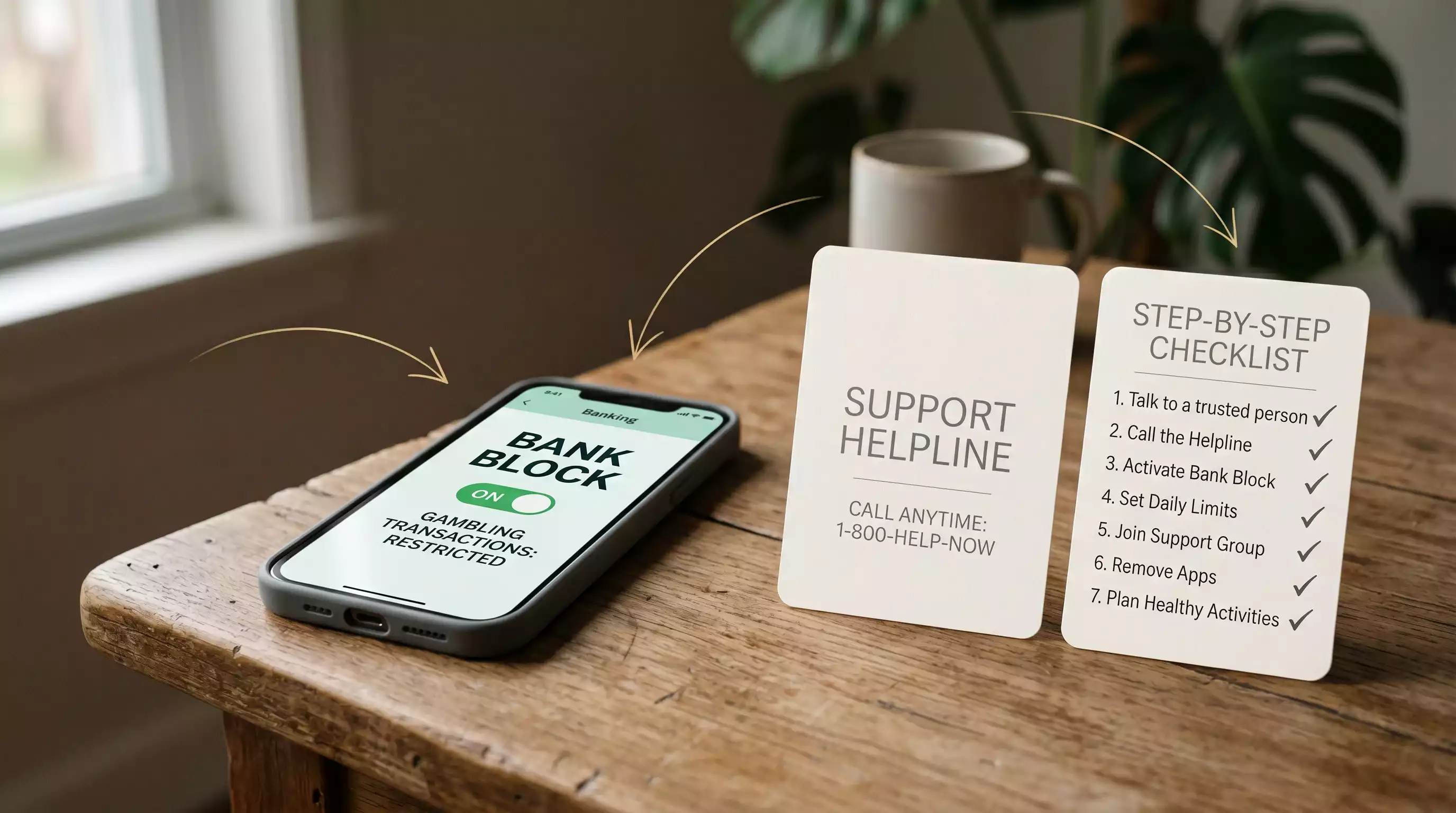
The phrase that brought many readers to this topic often sits close to GAMSTOP and self-exclusion. That is why licence checking needs a careful boundary. It is legitimate to understand how to check a gambling business. It is not sensible to turn that check into instructions for finding places to gamble when a protection is active or when gambling already feels difficult to control. If your main reason for checking a site is that a block, exclusion or limit has stopped you elsewhere, the most useful next step is support, not a different gambling site.
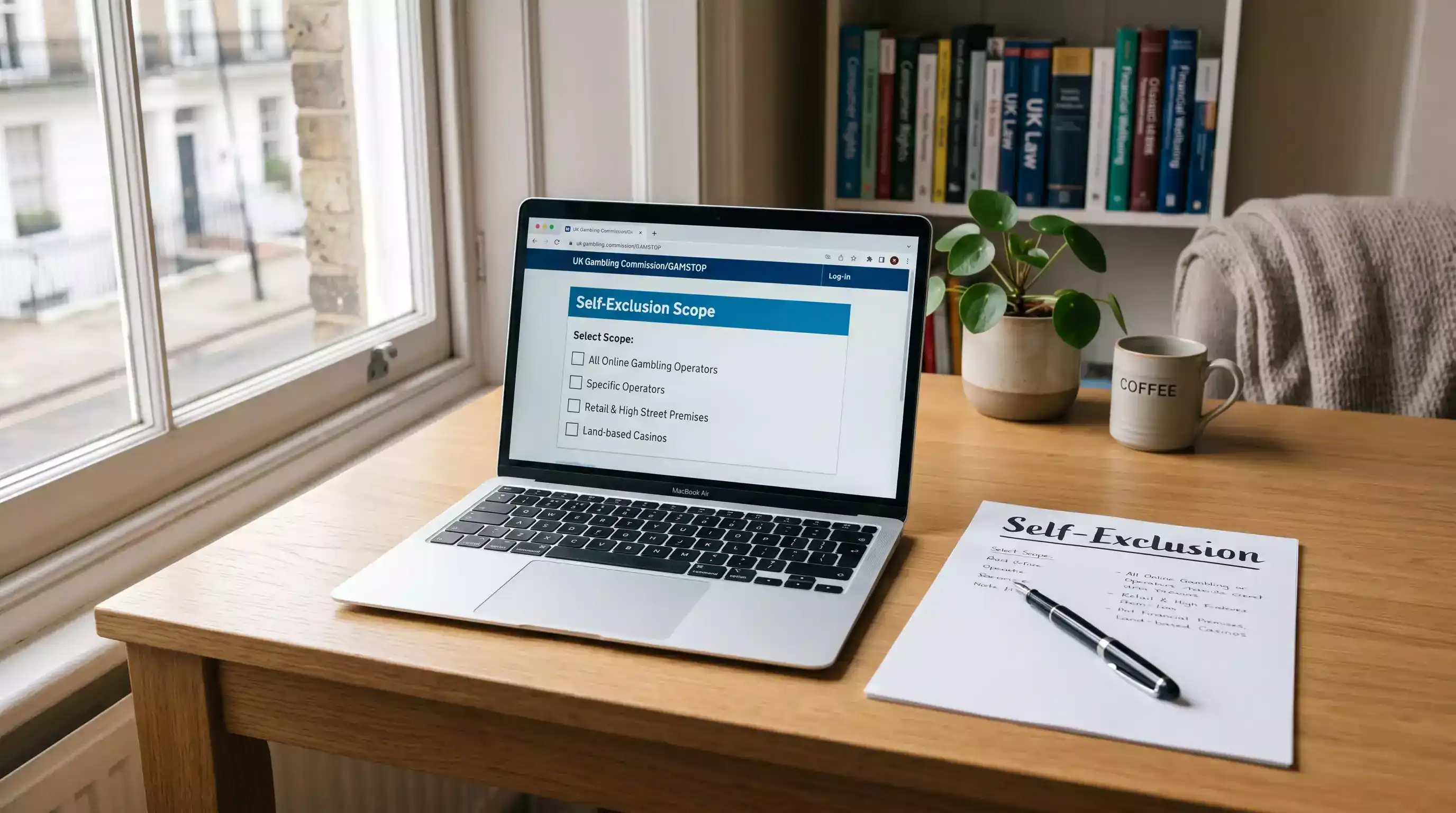
GAMSTOP is designed for online gambling companies licensed in Great Britain. That scope helps explain why some websites may not be covered in the way a reader expects. It does not make those websites a safe route. It also does not remove the underlying reason a person chose self-exclusion in the first place. If an urge to deposit feels urgent, or if you are trying to recover losses, do not use licence language to talk yourself into action. Speak to a trusted person, use blocking tools, or contact a verified support service.
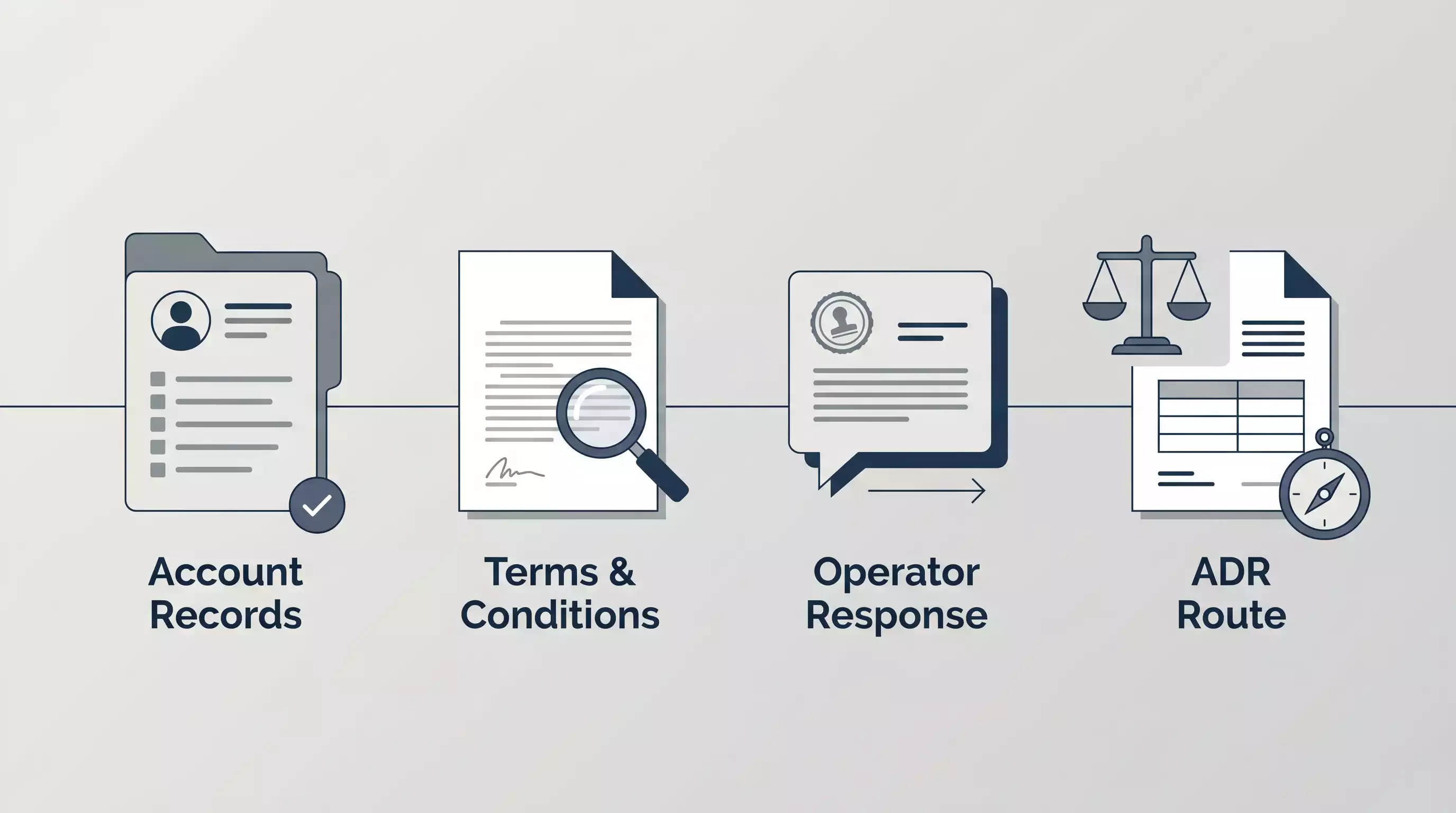
There is a second boundary: do not accept personal legal certainty from a generic page. A register check can help you decide what to look at and when to stop, but it cannot give a personal ruling about your own rights, a particular dispute or a foreign operator. If the issue is serious, such as missing withdrawals, debt, identity documents or harm from gambling, use official complaint or support routes rather than relying on a page that promises simple answers.
If you are looking for verified platforms, always choose trusted UK casinos not on Gamstop that hold legitimate independent licensing.
A calm pre-deposit licence check
- Write down the exact site address, business name and trading name shown on the page you are considering.
- Open the Gambling Commission public register separately, rather than clicking only from the gambling site.
- Search for the business or trading name and compare the details carefully. Similar wording is not enough.
- Look for the exact domain connection where the register provides it. Be wary of misspellings, redirects or lookalike addresses.
- Read the operator terms before depositing, especially sections on withdrawals, account checks, customer funds and complaints.
- Pause immediately if the site’s sales language pushes you to act before you can complete those checks.
- If GAMSTOP, another block or loss of control is part of the reason you are here, move to support and blocking guidance instead of continuing the licence check.
This process is deliberately plain. It does not promise that every risk disappears when a register entry is found. It simply moves the decision away from slogans and towards evidence. A licensed business can still have terms you do not like, document requests you need to understand, promotion rules that are easy to misread, or complaint steps you may need later. That is why the licence check belongs at the start of a wider pre-deposit review, not at the end.
When the answer is unclear
An unclear check is still useful because it tells you not to rush. If the official register does not give you a clear connection, if the gambling site hides the business behind it, if the licence claim is hard to verify, or if the terms rely on vague promises, the decision can be simple: do not deposit until the uncertainty is resolved through official information. You do not need to prove that something is wrong before you protect your money and data. It is enough that the basic questions remain unanswered.
For the next steps, read about ID checks, payments and withdrawals if your concern is documents or delayed money. Read about fund protection and complaints if there is already a dispute. Read the support page if the pressure to gamble is the real issue. A careful decision is not made by finding the most positive claim. It is made by checking the official source, understanding the limits of that check and walking away when the facts do not line up.