UK Casino Complaints, Customer Funds and Unpaid Withdrawals
 Available in GB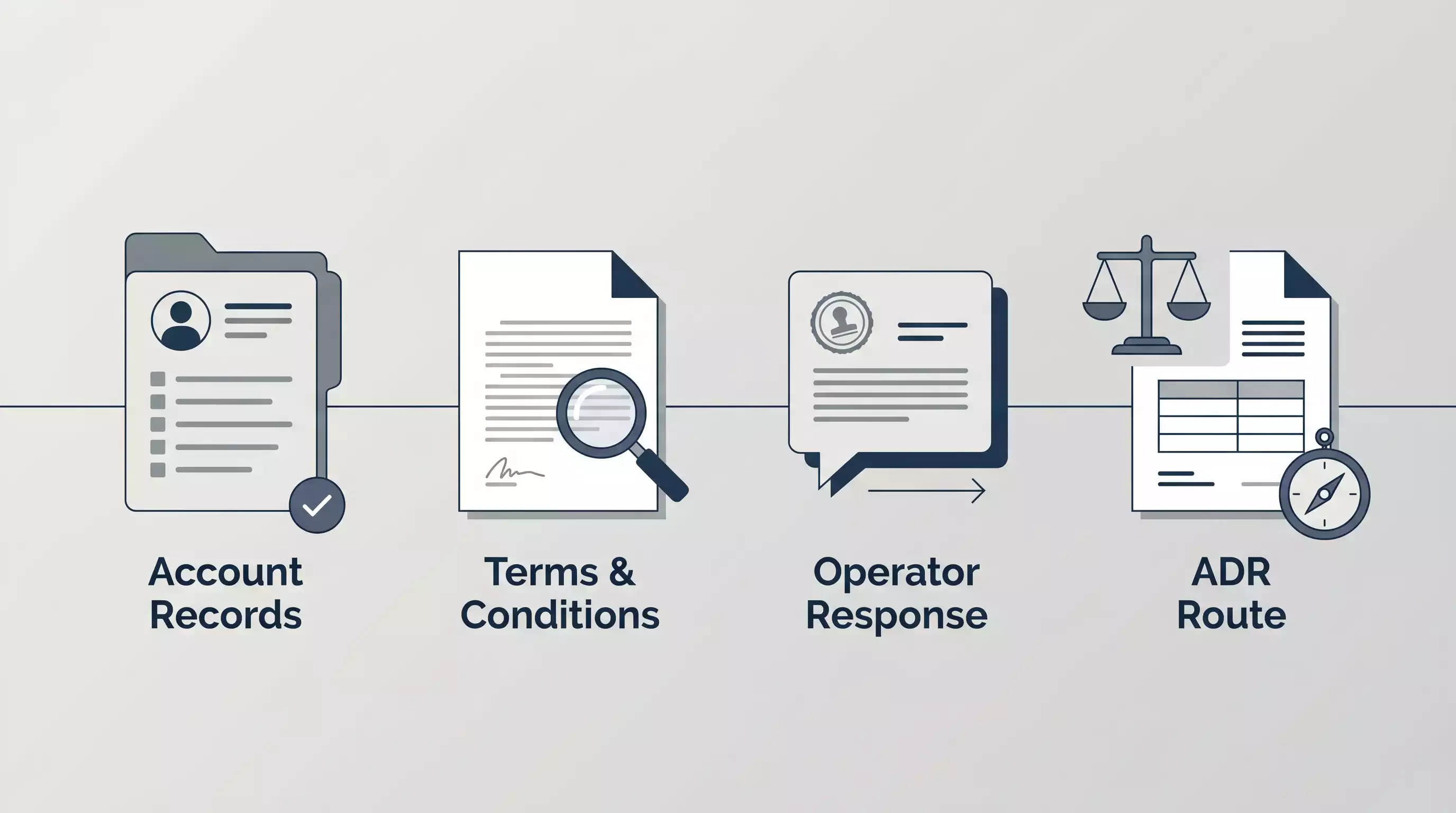
Handling Unpaid Casino Withdrawals and Customer Fund Disputes
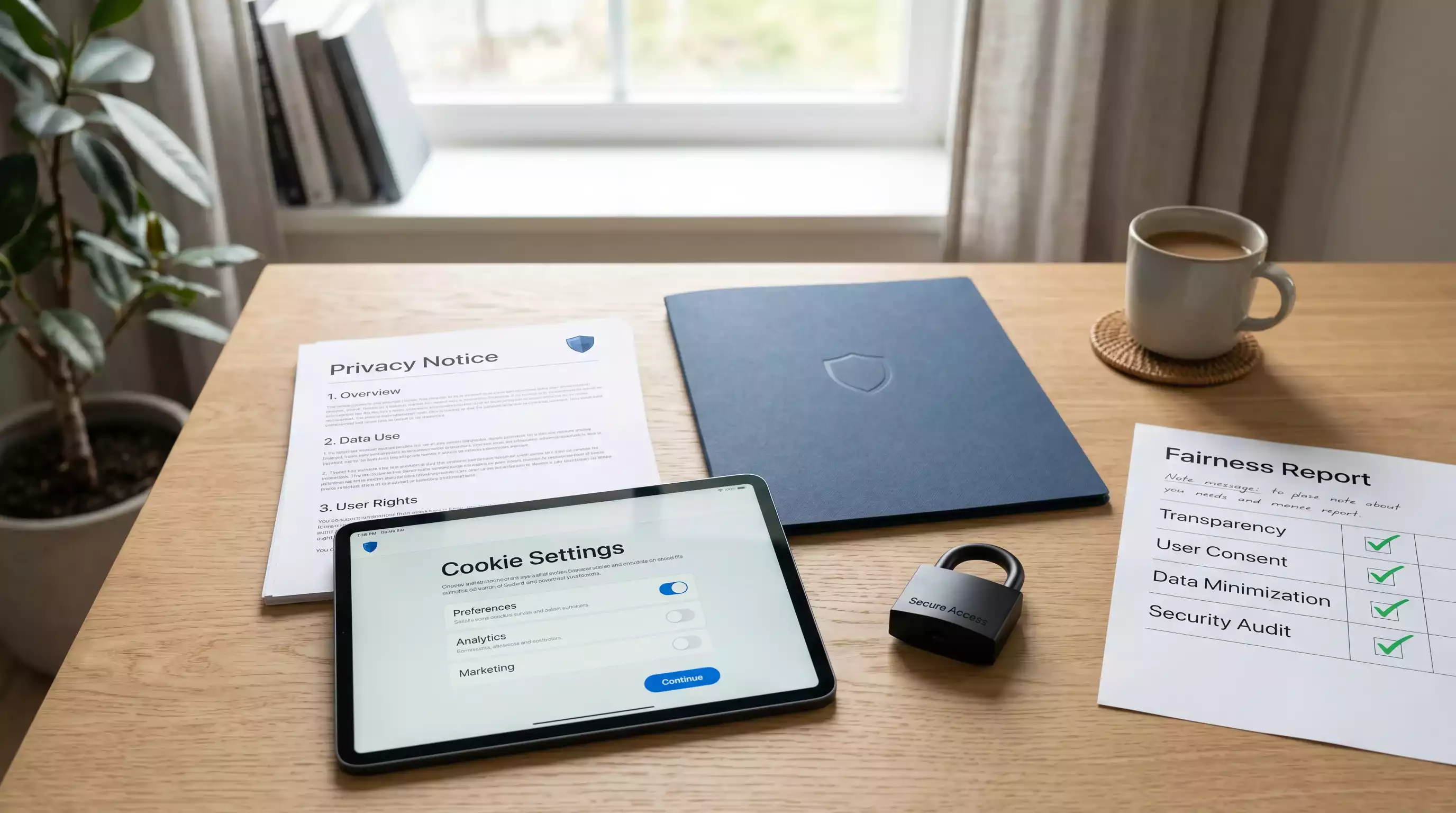
Before depositing, look for the section that explains how customer funds are handled. In Great Britain, the Gambling Commission requires licensed operators to set out customer fund protection arrangements in their terms. That wording matters because not every account balance has the same protection if a business fails. Do not assume that money in a gambling account is protected in the same way as money in a bank account, and do not treat a general phrase such as “secure account” as enough detail.
The useful question is not “does the site say my money is safe?” but “what exact protection level or arrangement is described, and can I understand it before I deposit?” If the terms are hard to find, vague, or mixed into promotional language, that is already a warning sign. A reader does not need to prove that a business is unsafe before deciding not to deposit. It is enough that the business has not explained what happens to balances in a way you can check.
This check also helps later. If a dispute arises, the wording that was available before you deposited can become part of your record. Save or note the exact customer-funds terms, the date you read them and the page address. If the wording changes later, having your own clear record avoids relying on memory or screenshots taken after the problem has already begun.
Many payout delays can be avoided if you understand the standard ID checks and payment rules required by offshore operators.
Why withdrawals can become disputed
A delayed withdrawal is not always the same as a refused withdrawal. Licensed operators may need to apply identity, anti-money-laundering, safer-gambling or account checks in certain circumstances, and withdrawal terms can also be affected by how a deposit or bonus was used. That does not mean every delay is fair. It means the first job is to work out what reason the operator has given, what rule it is relying on and whether the request is consistent with the terms you accepted.
Do not respond to a delay by sending extra personal documents to a page or address you have not verified. Use the account area or contact method described by the operator, and keep a record of exactly what was requested. If a request is unclear, ask the operator to state what information it needs, why it is needed and which part of the terms or regulatory requirement it relates to. Keep the question simple and written. A written record is easier to use later than a rushed live-chat exchange that disappears.
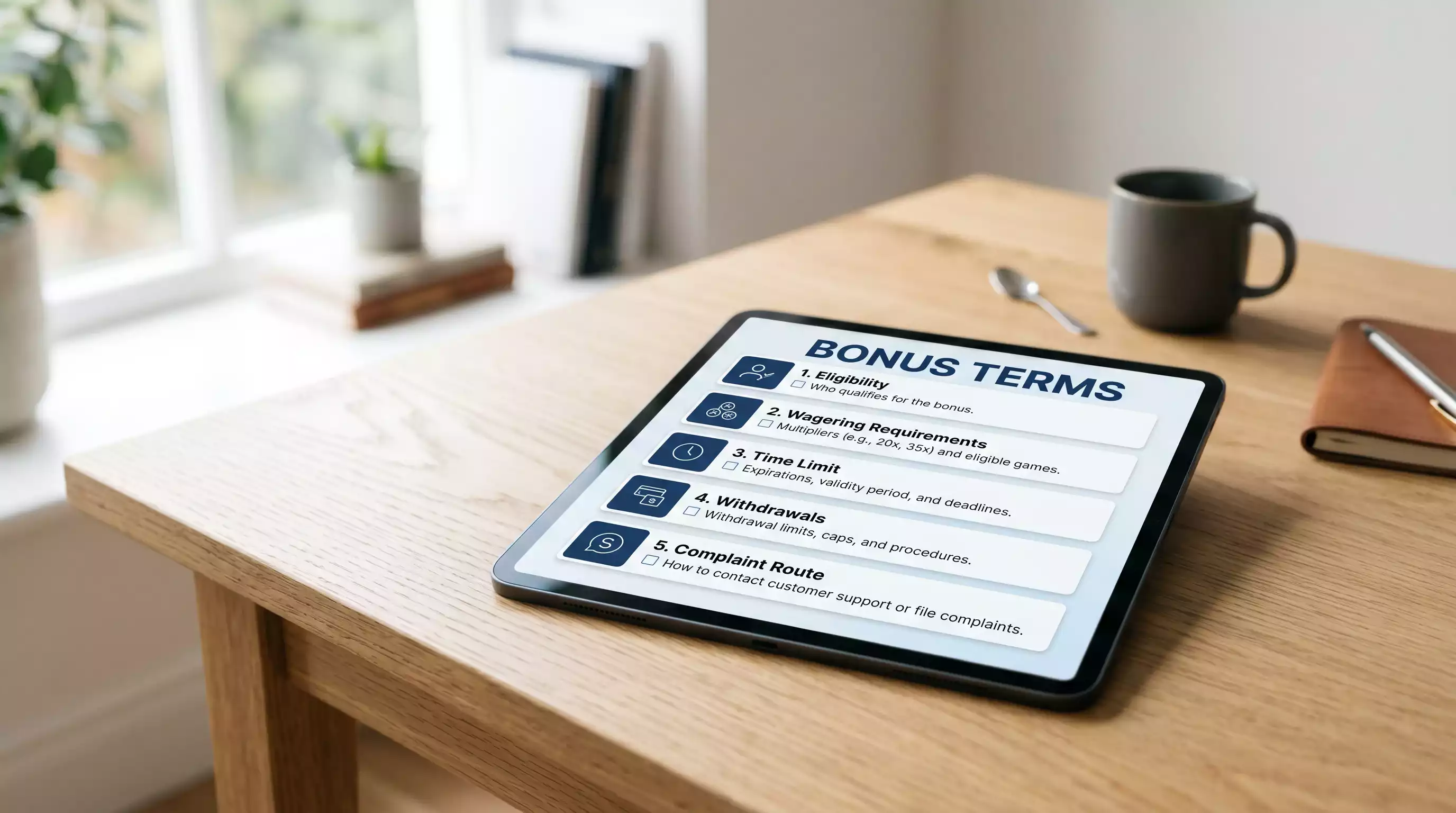
Promotions can also create disputes. A person may think that money is withdrawable, while the operator may point to wagering, time, game, maximum-bet or eligibility conditions. That is why bonus terms should be saved before claiming or depositing. If a dispute involves a promotion, your record should include the promotion page, the full terms, the date and time you accepted it and the account history that shows how the funds were used.
A practical complaint path
Use a complaint path to slow the issue down. The aim is not to write an angry message. The aim is to create a record that explains what happened, what outcome you are asking for and what evidence supports your view. For licensed operators, unresolved complaints may be capable of going to an alternative dispute resolution provider after the operator process and relevant timing have been followed. The route has limits, and it is not the same as a promise that the decision will go your way.
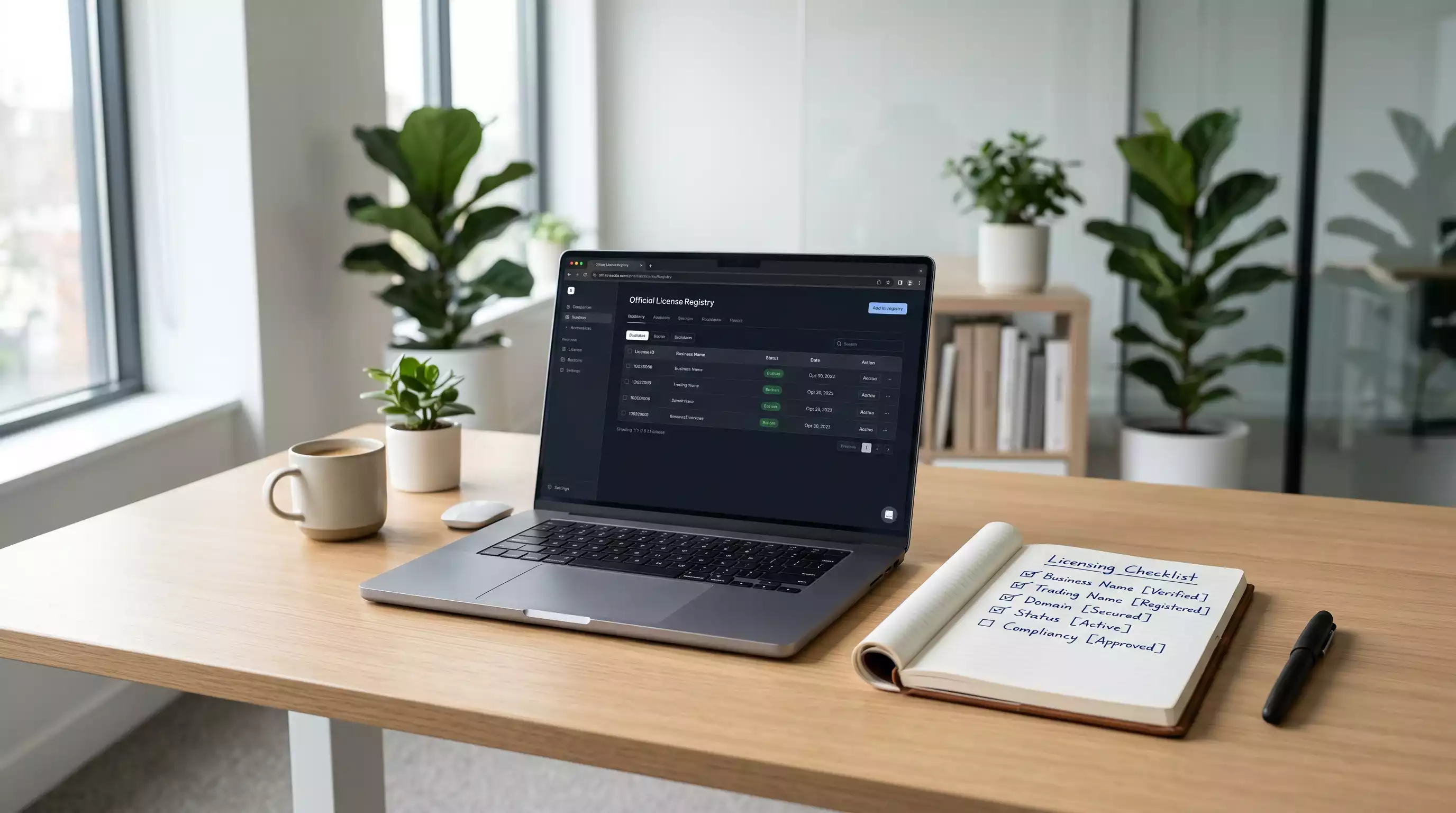
- Write down the account username, registered email address, exact site address, business name and any licence information you checked.
- List the transaction references, deposit amounts, withdrawal requests, dates and payment method descriptions that appear in your account.
- Save the terms that matter: customer funds, withdrawals, identity checks, bonuses, account closure, complaints and any special promotion rules.
- Ask the operator support team for the specific reason the withdrawal, account balance or complaint issue is unresolved.
- If support does not resolve it, use the operator’s formal complaint process and keep the complaint focused on facts and the outcome requested.
- Track the date the formal complaint was submitted and each response. If the complaint remains unresolved after the relevant process and timing, check the operator’s ADR information.
- Do not assume that the regulator will recover your money. Use the Gambling Commission’s complaint guidance to understand the boundary between regulatory intelligence and individual dispute resolution.
Records that help, and records that do not
| Record | Why it helps | How to keep it useful | Common mistake |
|---|---|---|---|
| Account and transaction history | Shows what was deposited, played, requested and paid | Keep dates, times, references and account-screen copies together | Sending only a bank screenshot without the account context |
| Withdrawal request and operator response | Shows whether the issue is delay, documentation, terms, bonus conditions or refusal | Ask for the reason in writing and save the reply | Arguing through repeated chats without a clear written complaint |
| Terms available before deposit | Shows what the operator said about funds, withdrawals, bonuses and complaints | Save the exact wording and page date when possible | Relying on a summary or advert instead of the full terms |
| Identity or document requests | Shows what was requested and whether the request changed | Record the official channel used and avoid unverified upload links | Sending sensitive documents through a channel you have not checked |
| Formal complaint messages | Shows when the complaint process started and what outcome you asked for | Keep the tone factual and include a clear timeline | Mixing several unrelated grievances into one confusing message |
What ADR and the Gambling Commission can and cannot do
Alternative dispute resolution is a route for certain unresolved disputes after the operator process has been used. It is not a shortcut around missing records, and it is not a guarantee of recovery. Check the operator’s complaint information to see which ADR provider it names and what evidence that provider asks for. If the site cannot show a clear licensed-operator complaint route, go back to the licence check before assuming that the same protections are available.
The Gambling Commission has an important role in regulating gambling businesses and collecting information about possible breaches, but it is not an ombudsman for individual customers. It does not act as a personal representative and should not be treated as a service that gets account money back. That boundary is frustrating when money is involved, but knowing it helps you choose the right next step. If your complaint is with a licensed operator, follow the operator route and then the ADR information where applicable. If the issue suggests wider regulatory concern, you can read the Commission’s guidance on how to report information, while still understanding that this is different from getting your own dispute decided.
Be careful with anyone who promises fund recovery for a fee, especially if they ask for more personal information or payment before explaining what they can lawfully do. This page does not give legal advice, and it cannot assess an individual claim. Its purpose is to keep your record clean, your expectations realistic and your next steps based on official routes rather than pressure.
To minimize payment disputes, consider switching to top-rated independent casino sites with proven track records of fast payouts.
When gambling pressure is part of the dispute
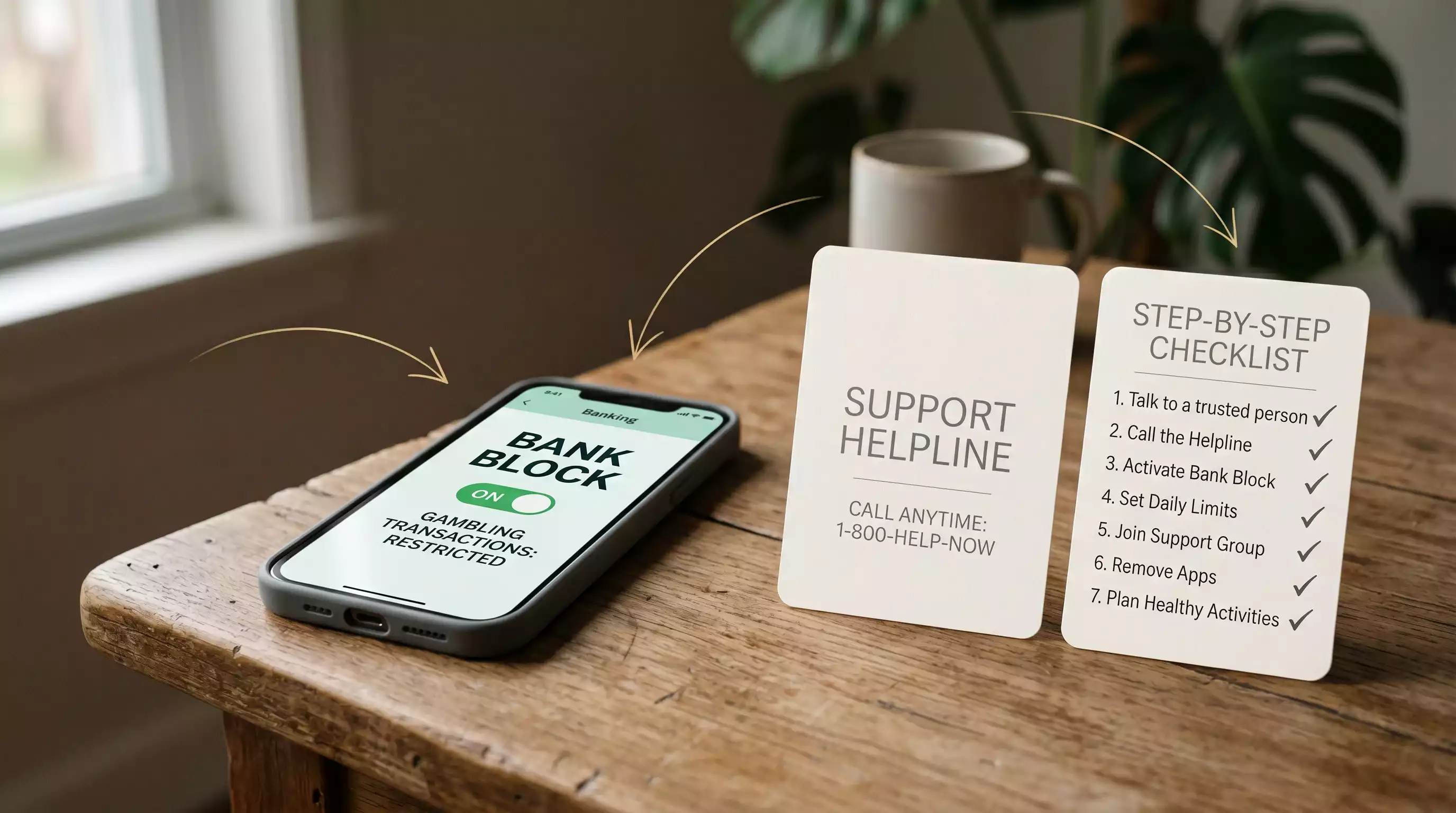
A complaint can become more difficult when it is tied to chasing losses, anxiety about debt, or the urge to keep gambling while waiting for money. In that situation, practical record-keeping is still useful, but it is not the only priority. If the account issue is making you feel panicked or pushing you to deposit elsewhere, pause the complaint work and use support. GamCare, the National Gambling Helpline, NHS information and region-specific services are listed on the support page of this site and through official sources.
It is possible to protect your complaint record while also protecting yourself. Write down the facts, keep copies, then step away from the account screen. Do not use a delayed withdrawal as a reason to open another account, accept another promotion or take more financial risk. If you need a next page, read the guide to ID checks, payments and withdrawals for upstream causes of delays, the bonus terms guide if a promotion is involved, or the support and blocking guide if the pressure to gamble is the main issue.